

Many of our readers are old enough to remember when America’s Bicentennial celebration in 1976 became a nationwide cultural phenomenon. The commemoration extended far beyond a single day, unfolding through months of parades, festivals, exhibitions, and media programming. Cities and small towns alike embraced the occasion with historical reenactments, patriotic displays, and community events.
Red, white, and blue symbols appeared everywhere, reflecting a shared sense of heritage and identity. The Bicentennial’s ubiquity fostered both celebration and reflection, as Americans revisited their history while considering the nation’s challenges and aspirations for the future.
Anyone who is old enough to remember that celebration remembers how commercialization played a major role in amplifying the Bicentennial’s reach, as corporations eagerly tied their products to patriotic themes. Advertisements saturated television, print, and retail spaces, often blending nostalgia with national pride.
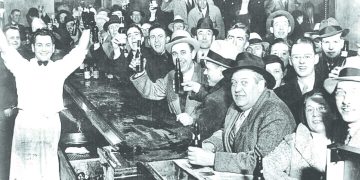
Beer companies in particular embraced the moment, producing Bicentennial-themed cans, labels, and commercials that linked their brands to American heritage and camaraderie. Campaigns emphasized tradition, freedom, and celebration, encouraging consumers to participate in the festivities through purchase. From limited-edition packaging to promotional events, businesses capitalized on the anniversary, turning national remembrance into a powerful marketing opportunity that reinforced the celebration’s omnipresence in everyday life.
However, on a local level, the Bicentennial felt more heartfelt and truly patriotic. A quick check of the local newspapers of the day triggered a flood of viscerally nostalgic memories that might seem “corny” to some.
In Waynesburg, an estimated crowd of 10,000 people watched a 90-minute Bicentennial Parade that ran from North Porter Street to Richhill Street. Bob Wendel, the parade’s coordinator, was quoted as saying, “This parade will have to enter the record books for the largest ever held in the County.”
The cost of the parade was $2,500, but organizers felt, “the amount of publicity and good will it generated was well worth the cost.” A total of $1,120 in prize money was awarded to the best floats. There were four separate categories: Religious, Youth, Themed, and Commercial.
Some of the winners included familiar groups that are still integral parts of our community such as First Federal, the American Legion, Ten Mile United Presbyterian. Other winners and place-winners are echoes of our civic past: The Youth Development Center, Graysville Youth, the West Greene Youth Education Association, Golden Hooves of Prosperity, and the Rebecca Wilson and Linda Butcho dance studios.
Rices Landing and Dry Tavern had a week-long celebration culminating with a Bicentennial Dance on July 10 at the Rices Landing American Legion.
There were also ecumenical church services at Hewitt Presbyterian and Sacred Heart churches. The former also offered ethnic food and entertainment by the musical group “Guys and Dolls” at their activity building and along the lockwall. Other events of the week included a Liberty Bell Dance Cruise (It sold out at $4 a ticket). Entertainers throughout the festivities included a magician, the Old-Time Fiddlers group, a folk singer, and a group that performed a Bicentennial play.
Children’s games and arts & crafts shows were held at various civic locations all week.
Additional adult festivities included a square dance at the lockwall and a horse show in the ring behind Davis’s Market.
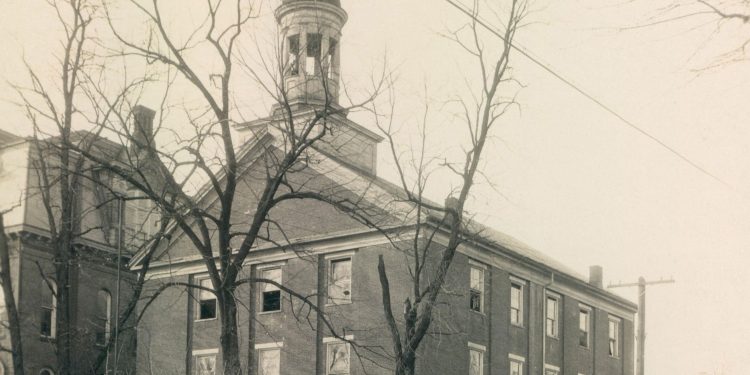
Carmichaels also held a week-long celebration that coincided with the rededication of the Greene Academy building as an “educational and cultural center.” The nightly series of lectures featured many of the area’s most erudite and knowledgeable historians.
Members of the Biddle family, Dr. William Dusenberry, Judge Glenn Toothman, Dr. Richard Cowan, Alvin Laidley, “Mrs. John Masuga”, and Damon Neroni were just some of the honored guest lecturers. There were also musical presentations under the direction of “Mrs. Joseph Dell.”
It’s hard to believe women were still referred to by their husband’s last name at that time. However, for those of us who want to remain optimists, the fact that women are now referred to by their own name in a newspaper is evidence of an “evolving” society.