

While the nation prepares to celebrate our 250th anniversary, Greene County can celebrate 230 years of hunting tradition, where forests, fields, and ridges have sustained generations of outdoor enthusiast. From early settlers to modern sportsmen, stewardship, skill, and respect for wildlife still endure. The hunting knowledge has been passed down through generations, deeply rooted in tradition.
Established on February 9, 1796, Greene County was a wild and unpredictable place with dense forest and abundant wildlife. When European settlers first arrived in what is now Greene County hunting was not a sport but a necessity. The land was full of white-tailed deer, black bears, turkeys, and small game that provided essential food, clothing, and trading goods.
Early hunters relied on skill, patience, and intimate knowledge of the land. Rifles, traps, and tracking techniques were crucial tools, and hunting often determined whether or not families were able to survive the harsh winters.
From these early days, hunting has been woven into the cultural and ecological fabric of Greene County. Hunting has reflected changing relationships between people, the land, and wildlife while remaining a local tradition.
I try to envision myself heading out to hunt 230 years ago. Hunting was a part of the rhythms of everyday daily life, always vigilant of the surroundings, always ready to take advantage of an opportunity that bettered my chance of survival. I visualize the early clothing of wool and buckskin and carrying a flintlock rifle, every snapped twig carried meaning, every distant rustle could signal opportunity or danger.
There were no conveniences then, no certainty about the next meal. When the opportunity presented itself, you had to make it count, second chances didn’t exist with the early slow and imprecise weapons. Taking a life was not casual, it carried weight, the animal represented nourishment, clothing, and tools. Simply put, the taking of a life transformed into human survival. Gratitude and necessity were intertwined in ways that feel far more distant than they do today.
In today’s environment, it’s easy to forget how much effort once stood behind a single meal. That hunt 230 years ago reminds us of resilience, humility, and the cost of living close to the land. It’s a quiet echo of a time when every step, and every decision truly mattered, a missed opportunity meant a missed meal.
By the 19th century, however, unregulated hunting, habitat loss and advances in weaponry, including more accurate rifles and the introduction of repeating firearms, began to take a toll. Wildlife populations declined significantly across Pennsylvania, including Greene County. Market hunting…where animals were harvested in large numbers put additional pressure on species like deer and turkey. By the late 1800s, some animals had nearly disappeared from the region. I remember my father telling me that in the late 40’s, 50’s and early 60’s that a deer sighting would actually make the newspaper.
This decline prompted the early conservation movement, leading to the establishment of hunting laws, seasons, and game commissions designed to protect wildlife and ensure sustainable use. This marked a turning point where hunters increasingly became participants in conservation efforts.
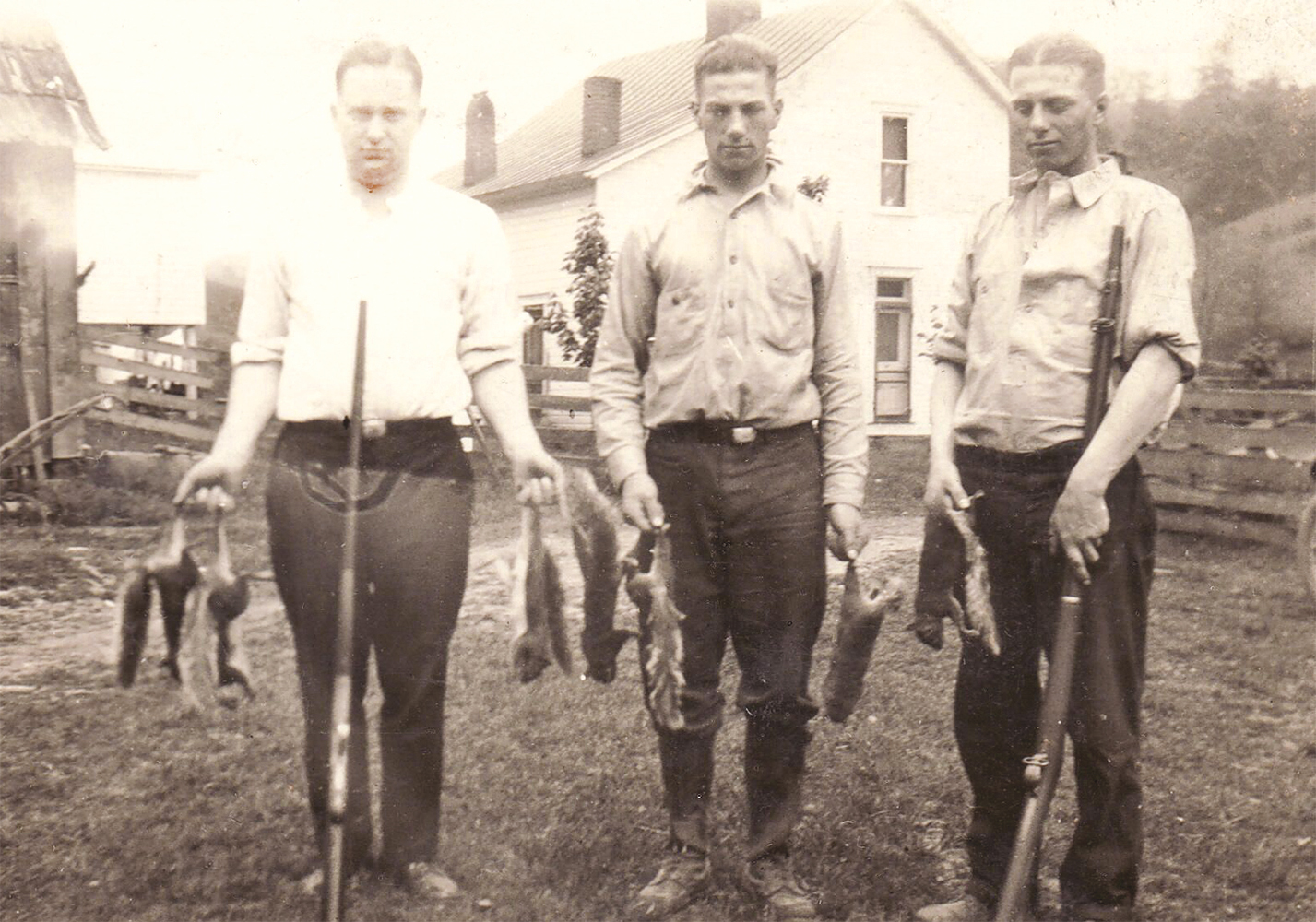
The 20th century marked a turning point. Conservation efforts, including restocking programs and habitat management, helped restore key species. The white-tailed deer population rebounded dramatically, and wild turkeys were successfully reintroduced. In Greene County, hunting shifted from pure subsistence to a regulated recreational activity. Generations of families passed down traditions, with hunting camps, seasonal rituals, and shared knowledge strengthening community bonds.
Today, hunting in Greene County continues to balance tradition with modern conservation ethics. Hunting seasons, licensing, and bag limits are carefully designed to maintain healthy wildlife populations. Hunters play an active role in conservation through funding generated by licenses and excise taxes on equipment, which support habitat preservation and wildlife research.
Culturally, hunting remains a cornerstone of life for many Greene County residents. Deer season, in particular, is a significant annual event, bringing together families and communities. Stories, skills, and respect for the land are passed from one generation to the next. At the same time, attitudes toward hunting have evolved. There is greater emphasis on ethical practices, environmental stewardship, and coexistence with non-hunters who value wildlife in different ways.
While methods and motivations have changed, the core connection between people and the natural landscape endures. Hunting continues to reflect both the history of the region and its ongoing commitment to preserving the land and wildlife for future generations.