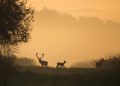


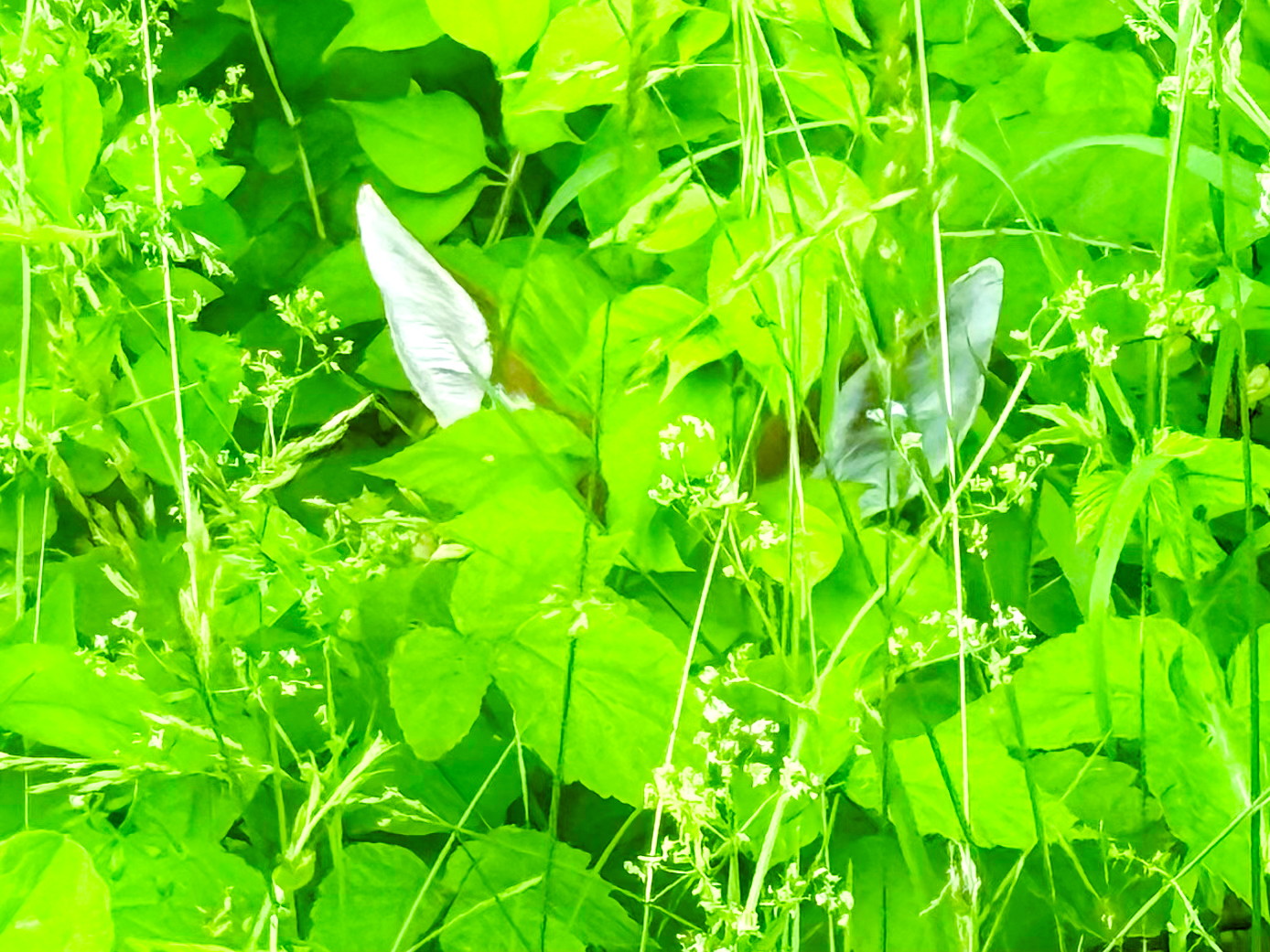
Recent conversations with some of my farming buddies brought to life some tragic side effects of the harvesting of hay. After researching this topic, I was amazed by the staggering numbers of wildlife fatalities that result from the process.
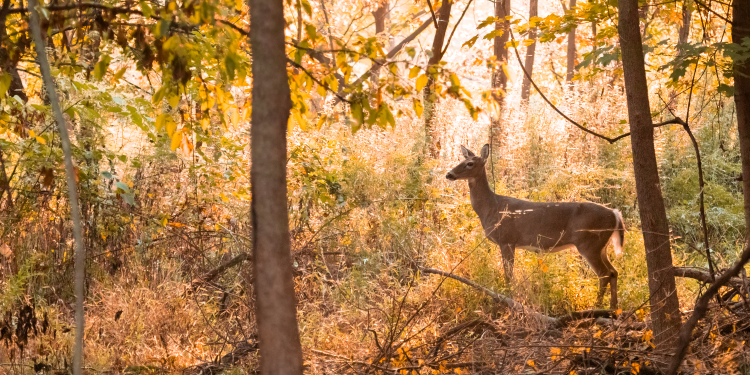
While there is no exact, real-time tracking system for fawns killed during hay mowing, experts estimate that hundreds and potentially thousands, are killed or severely injured annually in the United States. Depending on the region and the crop, individual farmers have reported hitting an average of 1-5 fawns per year, with some reporting as high as 13 in years with early springs and tall alfalfa.
In European Statistics, where regions heavy with deer populations are monitored, wildlife agencies report a minimum of 1,500-1,700 fawns killed each year in Switzerland and up to 90,000 in Germany.
Some of the modern ways to help cut these fatality numbers includes the use of thermal drones to scan hayfields before cutting and is a highly effective method. Flushing bars or devices that drag through the grass before the mower blades is also helpful. Another method is delayed mowing until the fawns are old enough and mobile enough to escape the equipment on their own.
Baling hay is an important agricultural practice that is a necessary operation that provides feed for livestock. While hay production is essential for farming, it undoubtedly can have several harmful effects on wildlife if not managed carefully. Many species of animals depend on grasslands and hay fields for food, shelter, and breeding grounds. When hay is cut and baled, these habitats can be disturbed or destroyed, leading to negative consequences for wildlife populations.
One of the most significant impacts of baling hay is the destruction of nesting sites. Many birds, especially turkeys, meadowlarks, bobolinks, and other grassland species, build their nests directly on the ground in hay fields. During the nesting season, hay-cutting equipment can destroy nests, eggs, and ng chicks before they are able to fly. Since many birds return to the same areas each year to breed, repeated disturbance can contribute to declining populations.
As mentioned earlier, ng mammals other than fawns are also at risk. Animals such as rabbits and small rodents often hide in tall grass to avoid predators. Their natural instinct is to remain still when danger approaches. Unfortunately, this behavior makes them vulnerable to machinery.
Baling hay can also reduce the availability of food and shelter for wildlife. Tall grasses provide cover from predators and harsh weather conditions. Once the grass is cut, animals lose important protection and become more exposed. Insects, which play a crucial role in the ecosystem, are also affected. Grasshoppers, butterflies, bees, and other insects may be killed during mowing, reducing food sources for birds and other animals that depend on them.
Unfortunately, the timing of hay harvest is particularly important. Early-season mowing often overlaps with the breeding and nesting periods of many wildlife species. Harvesting during these critical times usually has a greater impact than cutting later in the season. Though not really possible in this area, delaying hay harvest until after the nesting season could significantly improve the survival rates of birds and other animals.
Despite these challenges, farmers can and do take steps to reduce harm to wildlife. The best thing to do is remain vigilant while mowing. Some farmers also work with conservation organizations to create management plans that balance agricultural productivity with wildlife conservation.