
GreeneScene Magazine
  • ArticlesNEW
  • Contests
    • GreeneScene Reader Survey
    • Fair Food Favorites
    • Person Place or Thing
    • Where is This?
  • Podcast
  • Submit
    • Submit a GreeneScene
    • GreeneScene of the Past
    • Community Events
    • Classified Ads
    • News Releases
  • Events
  • More
    • Contact
    • What’s the GreeneScene?
    • Print Archive
    • Ad Rates
    • Circulation
    • Subscriptions
    • Our Parent Company
No Result
View All Result
GreeneScene Magazine
  • ArticlesNEW
  • Contests
    • GreeneScene Reader Survey
    • Fair Food Favorites
    • Person Place or Thing
    • Where is This?
  • Podcast
  • Submit
    • Submit a GreeneScene
    • GreeneScene of the Past
    • Community Events
    • Classified Ads
    • News Releases
  • Events
  • More
    • Contact
    • What’s the GreeneScene?
    • Print Archive
    • Ad Rates
    • Circulation
    • Subscriptions
    • Our Parent Company
No Result
View All Result
GreeneScene Magazine
No Result
View All Result
Home Outdoors

The Harmful Effects of Baling Hay on Wildlife

T.R. Mahle by T.R. Mahle
June 26, 2026
in Outdoors
0
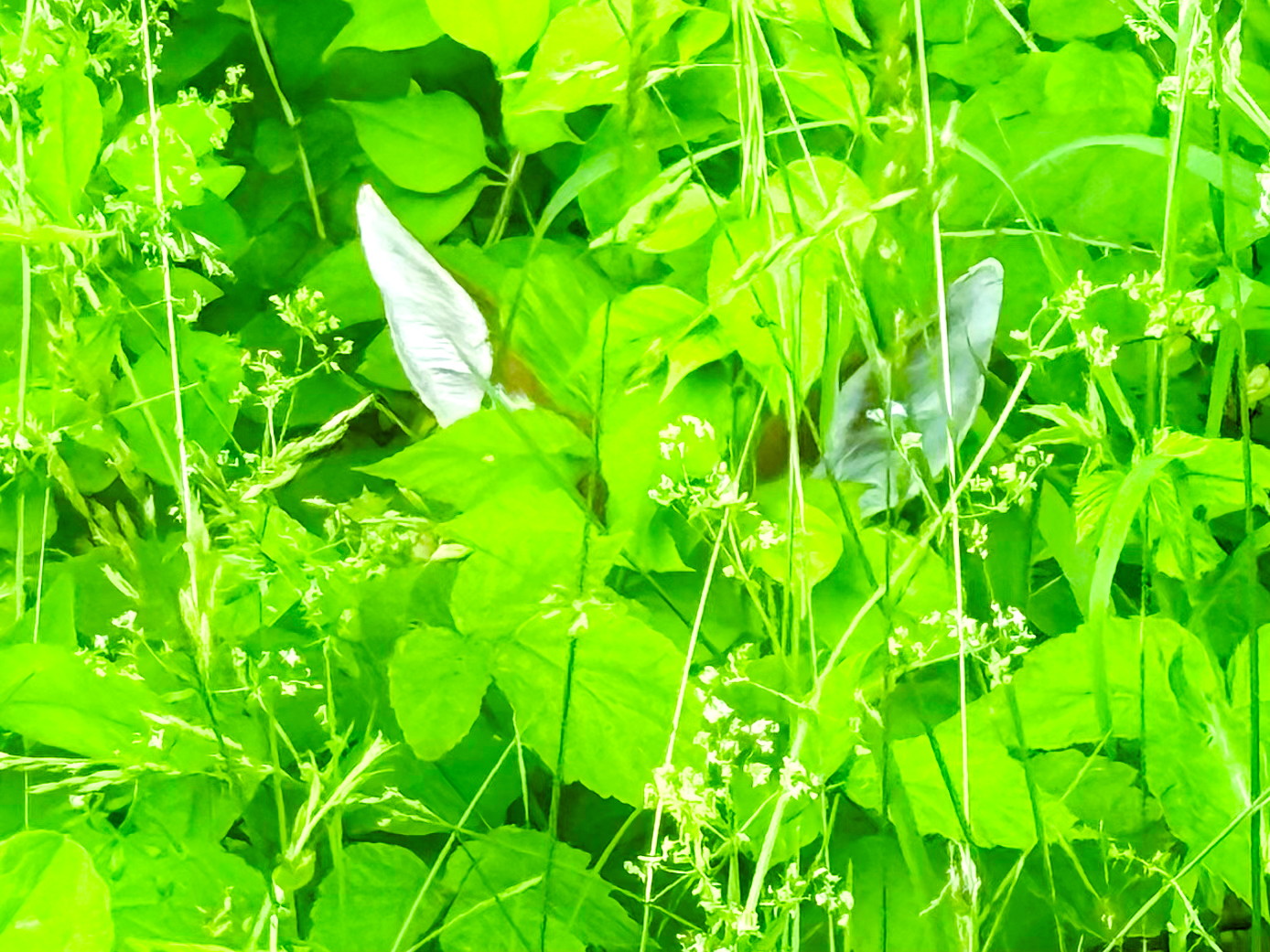
A white-tailed deer fawn is concealed in dense green vegetation with only its ears and part of its face visible.
Share on FacebookShare on Twitter

Recent conversations with some of my farming buddies brought to life some tragic side effects of the harvesting of hay. After researching this topic, I was amazed by the staggering numbers of wildlife fatalities that result from the process.

While there is no exact, real-time tracking system for fawns killed during hay mowing, experts estimate that hundreds and potentially thousands, are killed or severely injured annually in the United States. Depending on the region and the crop, individual farmers have reported hitting an average of 1-5 fawns per year, with some reporting as high as 13 in years with early springs and tall alfalfa.

In European Statistics, where regions heavy with deer populations are monitored, wildlife agencies report a minimum of 1,500-1,700 fawns killed each year in Switzerland and up to 90,000 in Germany.

Some of the modern ways to help cut these fatality numbers includes the use of thermal drones to scan hayfields before cutting and is a highly effective method. Flushing bars or devices that drag through the grass before the mower blades is also helpful. Another method is delayed mowing until the fawns are old enough and mobile enough to escape the equipment on their own.

Baling hay is an important agricultural practice that is a necessary operation that provides feed for livestock. While hay production is essential for farming, it undoubtedly can have several harmful effects on wildlife if not managed carefully. Many species of animals depend on grasslands and hay fields for food, shelter, and breeding grounds. When hay is cut and baled, these habitats can be disturbed or destroyed, leading to negative consequences for wildlife populations.

One of the most significant impacts of baling hay is the destruction of nesting sites. Many birds, especially turkeys, meadowlarks, bobolinks, and other grassland species, build their nests directly on the ground in hay fields. During the nesting season, hay-cutting equipment can destroy nests, eggs, and ng chicks before they are able to fly. Since many birds return to the same areas each year to breed, repeated disturbance can contribute to declining populations.

As mentioned earlier, ng mammals other than fawns are also at risk. Animals such as rabbits and small rodents often hide in tall grass to avoid predators. Their natural instinct is to remain still when danger approaches. Unfortunately, this behavior makes them vulnerable to machinery.

Baling hay can also reduce the availability of food and shelter for wildlife. Tall grasses provide cover from predators and harsh weather conditions. Once the grass is cut, animals lose important protection and become more exposed. Insects, which play a crucial role in the ecosystem, are also affected. Grasshoppers, butterflies, bees, and other insects may be killed during mowing, reducing food sources for birds and other animals that depend on them.

Unfortunately, the timing of hay harvest is particularly important. Early-season mowing often overlaps with the breeding and nesting periods of many wildlife species. Harvesting during these critical times usually has a greater impact than cutting later in the season. Though not really possible in this area, delaying hay harvest until after the nesting season could significantly improve the survival rates of birds and other animals.

Despite these challenges, farmers can and do take steps to reduce harm to wildlife. The best thing to do is remain vigilant while mowing. Some farmers also work with conservation organizations to create management plans that balance agricultural productivity with wildlife conservation.
Donation

Buy author a coffee

Donate
Tags: farming practiceshay harvestingwildlife conservation
T.R. Mahle

T.R. Mahle

Related Posts

No Content Available
Next Post
A young hunter poses with a harvested wild turkey in a wooded area during spring turkey season.

JAKES in the Wild, the NWTF & The Warrior Trail Gobblers

Leave a Reply Cancel reply

Your email address will not be published. Required fields are marked *

I agree to the Terms & Conditions and Privacy Policy.

The GreeneScene Podcast The GreeneScene Podcast The GreeneScene Podcast

Recommended

A train themed parade vehicle travels through the Pennsylvania Bituminous King Coal Show parade as spectators watch from the roadside.

The King Coal Show: Honoring Our Past, Celebrating Our Community

June 30, 2026
Summer Time: Hunting and Cooking GROUNDHOG?

Summer Time: Hunting and Cooking GROUNDHOG?

March 5, 2026
A historic photograph shows spectators watching a harness horse race on a dirt track at an early county fair.

The Mount Morris Fair

June 26, 2026
A woman in western attire stands beside a horse in a sunny outdoor pasture setting.

Bridled Faith: Learning Leadership and Love at His Barn

May 22, 2026
A scenic view of Mon View Park in Greensboro features playgrounds, open grassy areas, large trees, and the Mon View Roller Rink and Community Center sign.

Mon View Park: A Hidden Gem

June 30, 2026
A rustic display inside a country gift shop features floral arrangements, ceramic frogs, decorative signs, and handcrafted home decor.

Summer in the Country

June 30, 2026
A train themed parade vehicle travels through the Pennsylvania Bituminous King Coal Show parade as spectators watch from the roadside.

The King Coal Show: Honoring Our Past, Celebrating Our Community

June 30, 2026
Five crowned fair royalty winners wearing sashes pose with bouquets in front of a pink and floral celebration backdrop.

Greene County Fair Queen Program Celebrates 40 years

June 30, 2026
Wilson Accounting Group Wilson Accounting Group Wilson Accounting Group

Archives

  • 2026
  • 2025
  • 2024
  • 2023
  • 2022
  • 2021
  • 2020
  • 2019
  • 2018

Recent Posts

  • Mon View Park: A Hidden Gem
  • Summer in the Country
  • The King Coal Show: Honoring Our Past, Celebrating Our Community

Categories

  • Arts & Entertainment
  • Business
  • Business Spotlight
  • Community
  • Cool at School
  • Crowded Kitchen
  • Education
  • Events
  • Featured
  • Food
  • Good News in Greene
  • Government
  • Health & Wellness
  • Hometown Heritage
  • Leisure
  • Local History
  • Local People
  • Opinion
  • Outdoors
  • Pets
  • Piece of My Mind
  • Public Service
  • Religion
  • Scene and Heard
  • Seasonal
  • Special Interest
  • Sports
  • Supernatural
  • Towne Square
  • Uncategorized

© 2025 GreeneScene Magazine - A Direct Results Company

No Result
View All Result
  • Articles
  • Contests
    • GreeneScene Reader Survey
    • Fair Food Favorites
    • Person Place or Thing
    • Where is This?
  • Podcast
  • Submit
    • Submit a GreeneScene
    • GreeneScene of the Past
    • Community Events
    • Classified Ads
    • News Releases
  • Events
  • More
    • Contact
    • What’s the GreeneScene?
    • Print Archive
    • Ad Rates
    • Circulation
    • Subscriptions
    • Our Parent Company

© 2025 GreeneScene Magazine - A Direct Results Company

This website uses cookies. By continuing to use this website you are giving consent to cookies being used. Visit our Privacy and Cookie Policy.