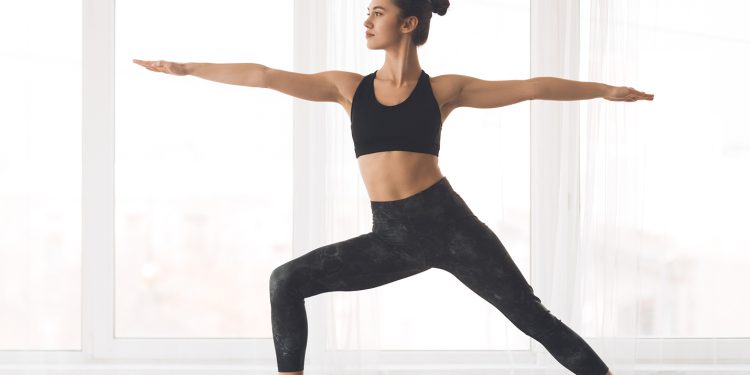


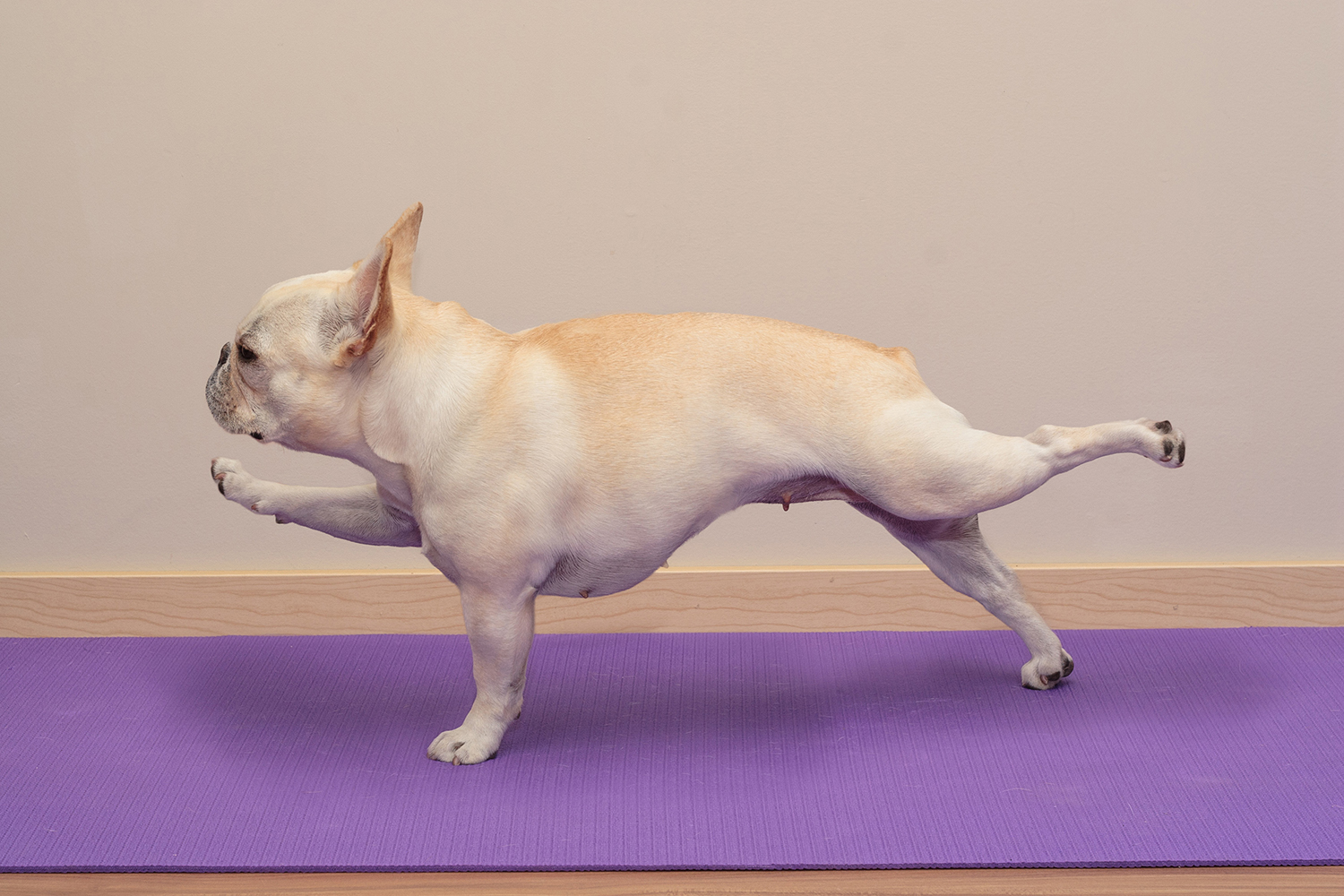
Last Month, I wrote about my introduction to yoga and its multiple benefits. This month, I want to discuss the basics of the practice and address common misconceptions.
For those seeking flexibility or alternatives to physical pain, it can provide relief. And for those of us with a jumbled mind jumping in all directions, it can provide a way to focus. Maybe your goal is connecting your “lower self” with your “higher self.”
Many of my classes for certification focused on helping people overcome trauma, which is surprisingly the biggest reason people seek yoga. It can even be a wonderful tool for recovery from addiction. I taught in that environment for over eight years.
For me, yoga brought a sense of acceptance of myself, acceptance of what may have happened in the past, acceptance of my lack of control of so many situations. Perhaps most importantly, it has increased my empathy.
Although it is not always perfect, knowing I have yoga and meditation in my pocket provides me with tools when I require that sense of peace.
First, Yoga is not just about “doing the poses.” We must connect the poses with our breath, which forces us to focus on that dance between breathing and moving. It takes practice just like everything else. Envisioning your inhale and exhale as if it were a wave lapping the shoreline allows you to achieve that connection.
This may be where your practice settles: mastering some poses, connecting your breath to the movement, and finding a flow if you will. In one of my earlier articles, I shared a breathing technique called “the long exhale” which can be used to help reduce stress. This is just one of many breathing techniques the student can use.
It is all about finding what works best for you. Yoga may show you very quickly some physical benefits: increased flexibility and agility, better posture, and lessening of joint and lower back pain.
Other benefits which may take more practice include self-calming in stressful situations, letting go of obsessive thoughts, and enjoying “the now” instead of worrying about what transpired or what is to come.
Those mental benefits, although life-changing, can churn up hurt, loss, and pain initially. None of us want that, so we tend to bury it. The meditation aspect of yoga forces you to reflect internally, and that is where the magic happens. However, true progress is not made by just dabbling in the easy stuff.
While five minutes may seem like a lifetime to meditate or sit still initially, practicing will improve that number. If you fall asleep, you need rest. If your mind wanders, return to your breath. That steady in and out will hone your internal focus.
If thoughts invade your head space, think of them as clouds passing over head. You can watch them pass by, but do not attach yourself. Acknowledge and let those clouds drift by. Instead of practice makes perfect, say “practice brings peace.”
For me, it is having a different outlook on my life, searching for my true purpose, finding positivity, and learning to live in the present. I may never “get there” or achieve samadhi in this lifetime, but I will give myself grace for trying and learning and believing in progress no matter how small it may seem at times.
Yoga is an extremely versatile tool that can help you in so many areas of your life. No equipment required. Leaving you all in love and light, namaste.
If you are interested in learning more about breathwork, yoga, stretching, dancing, or Reiki, I am available for private instruction (1-4 students) and events currently. These sessions can be in-person or virtual. You can message me on Instagram @gyspyrambler_pa or on Facebook under Dolly Throckmorton (w/the blue checkmark) or email me at dollygthrock@gmail.com for more information.