

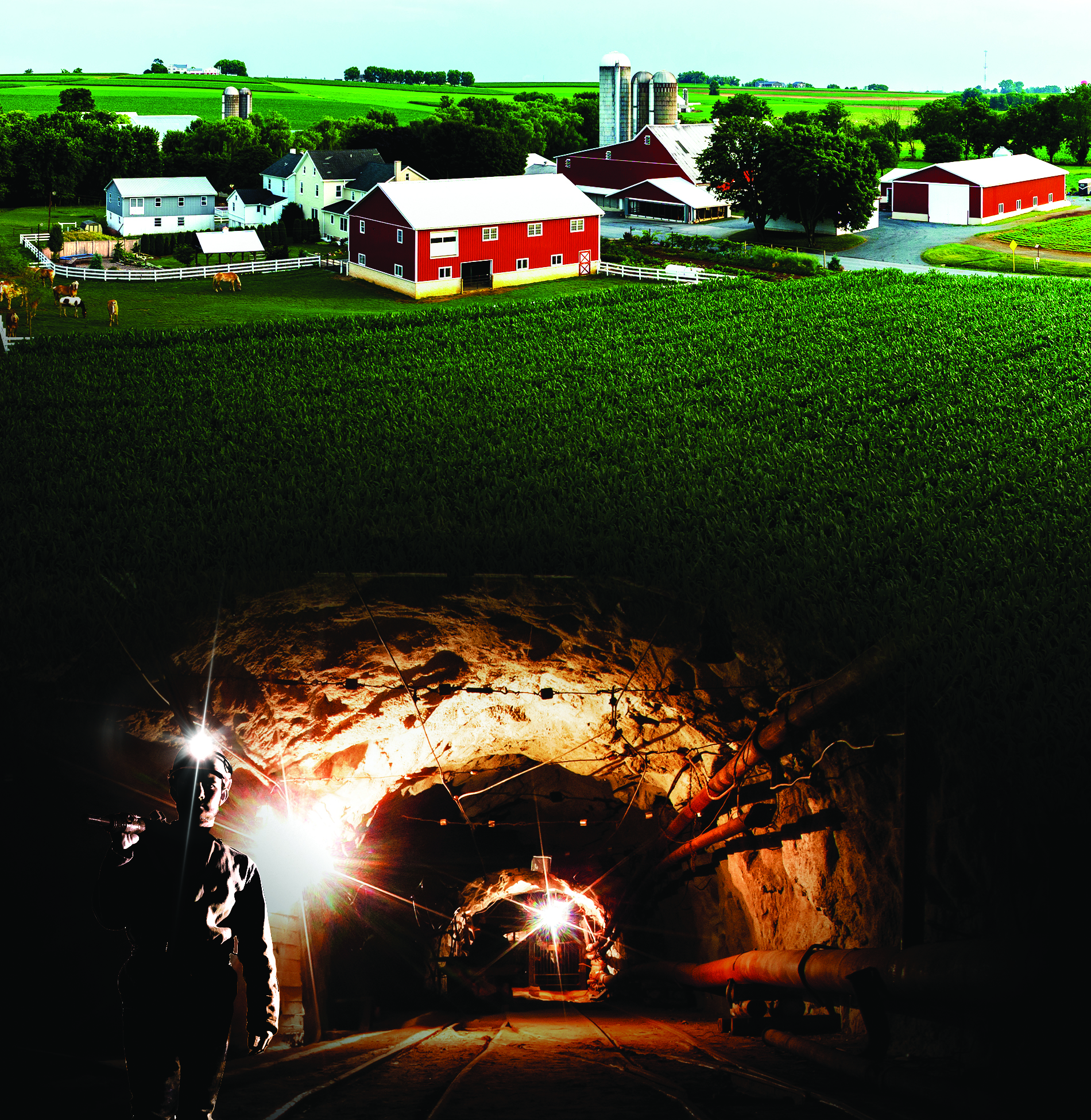
Greene County has long been defined by two powerful industries that shaped its identity: agriculture and coal mining. Though vastly different in character, these economic forces developed side by side over generations, creating a distinctive culture rooted in both the land and the labor beneath it.
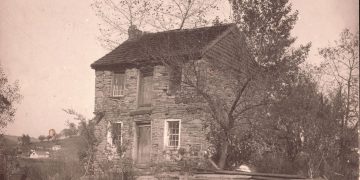
During the eighteenth and nineteenth centuries, Greene County was overwhelmingly agricultural. Early settlers cleared forests, established family farms, and built communities centered on livestock, grain production, dairy farming, and local trade. The county’s fertile valleys and winding creeks supported a rural way of life built on hard work, self-sufficiency, and close community ties. Small towns such as Carmichaels, Rogersville, Jacksonville, Waynesburg, and Mount Morris grew as agricultural centers where farmers gathered to buy supplies, sell crops, and attend fairs that celebrated rural life.
County fairs became one of the strongest symbols of this agricultural heritage. Livestock competitions, horse shows, baking contests, and harvest exhibitions reflected the pride families took in their farms and craftsmanship. These gatherings were more than entertainment. They were annual reunions that reinforced the social fabric of the county. Even today, fairs and festivals continue to preserve traditions passed down through generations.
By the late nineteenth century, however, Greene County began to experience a dramatic change. Beneath its farmland lay vast reserves of bituminous coal. As the steel industry expanded in Pittsburgh, demand for coal surged. Railroads, especially the Monongahela Railway after 1900, opened the county to large-scale industrial development. Farms that had once defined the landscape suddenly shared space with coal tipples, rail lines, company towns, and mining camps.
Communities such as Nemacolin, Crucible, and Rices Landing transformed almost overnight into bustling mining centers. Thousands of immigrant workers from eastern and southern Europe arrived seeking opportunity in the mines. Their cultures, languages, foods, and traditions blended with the county’s older farming communities, creating a uniquely diverse social environment uncommon in many rural areas of Pennsylvania.
Despite the rise of coal mining, agriculture never disappeared. Many mining families kept gardens, livestock, and small farms. It was not unusual for men to work in the mines while maintaining agricultural traditions at home. The county developed a rare dual identity, both agricultural and industrial.
Today, we continue to honor both sides of its history. Our multiple local fairs and festivals recognize the sacrifices and achievements of farmers and miners alike. Even the Rain Day Festival is ultimately an acknowledgement of the important role weather plays in an agrarian society.
The coexistence of these two worlds has created a population known for resilience, independence, and strong community loyalty. That is why we proudly celebrate our Fairs and Festivals Issue.