

For those who are unaware, “Kayfabe” is a professional wrestling term for the practice of maintaining the illusion that staged storylines, feuds, and matches are genuine. It involves performers remaining in character even outside the ring to protect the “secrets of the industry”.
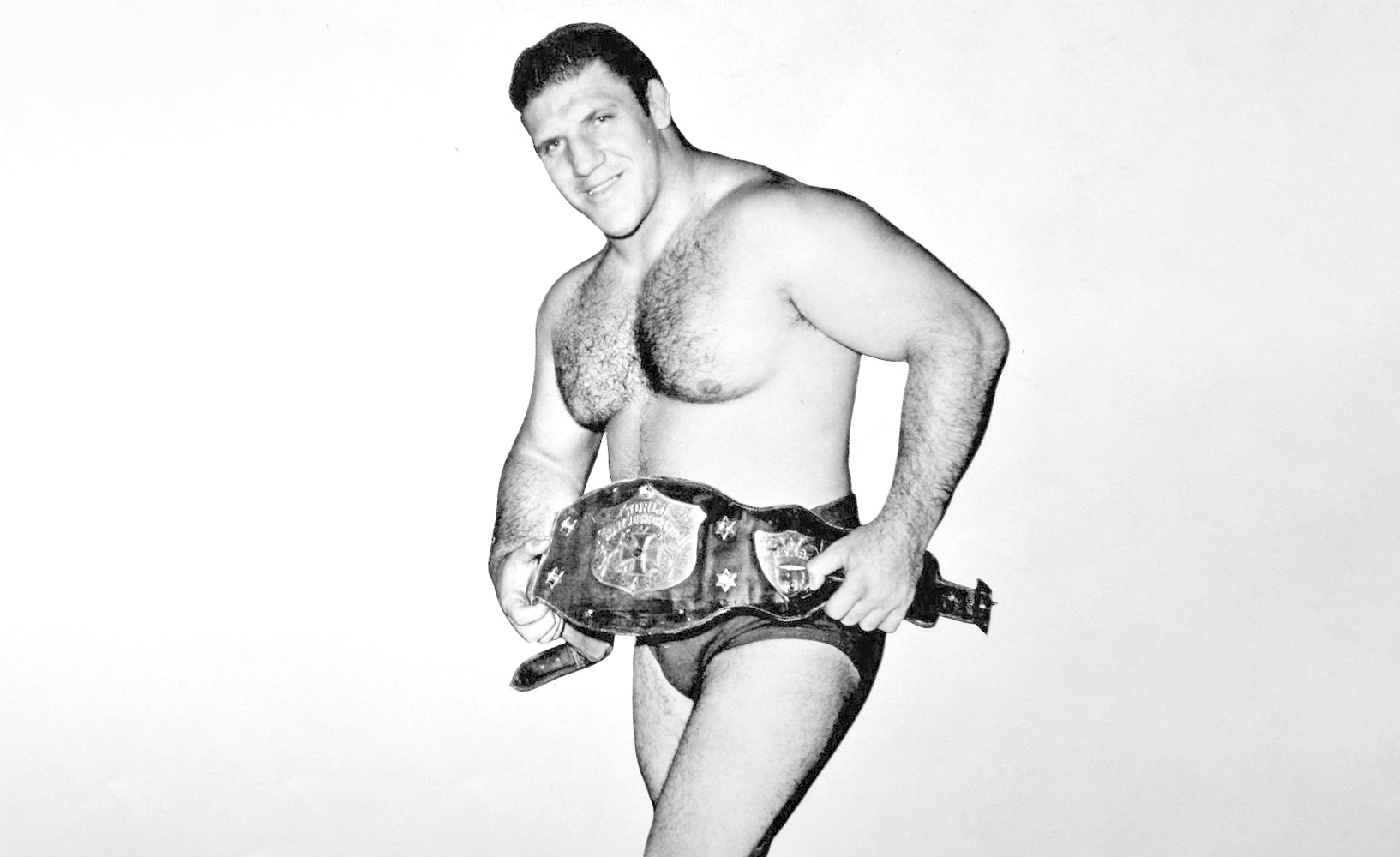
Although I have not been a fan of professional wrestling since I played for the Bonar Bears and Bruno Samartino was THE MAN, I know many adults who still enjoy the show and share it with their kids and grandkids. This column is by no means a denigration of that entertainment genre.
There was a time when professional wrestling lived in its own strange, electric universe—part sport, part theater, and wholly unapologetic about the blurred line between the two. That ambiguity was the point. Fans of WWE didn’t tune in for box scores or injury reports. They tuned in for spectacle, storytelling, and the long-running illusions.
However, last September, ESPN and the WWE reached a five-year agreement for the sports giant to carry wrestling for the incredible sum of 1.6 BILLION dollars.
The wrestling illusion is being repackaged, even flattened since ESPN has begun covering the WWE as though it were a conventional sport. Match previews, rankings-style analysis, and “breaking news” updates about scripted outcomes now sit alongside coverage of the NFL and NBA. The presentation suggests parity. But the effect is something closer to confusion.
Professional wrestling has always thrived on its unique identity. Unlike traditional sports, where uncertainty is rooted in competition, wrestling’s drama is crafted. The outcomes are predetermined, the rivalries written, and the characters carefully constructed.
That inherently makes it different. Treating it like a box-score-driven enterprise misunderstands its appeal. You wouldn’t review a Broadway play like a playoff game, and yet ESPN often frames WWE events as if they’re decided by athletic merit.
This shift matters because presentation shapes perception. When a major outlet like ESPN adopts the language of sport by calling a storyline development a “result” or analyzing a championship run as if it were earned through competitive dominance, it erodes the audience’s understanding of what wrestling actually is.
Unfortunately, we live in a world where many, many people already have a tenuous grasp on facts and reality. Their inability to separate the medium from the message and cognitively analyze presented material risks a further decent into a Kafkaesque existence.
Of course, the majority of wrestling fans are in on the joke. They embrace its theatricality and lean into character arcs and narrative stakes. But ESPN’s approach strips away that richness for fans, reducing complex storylines to headline-friendly summaries. A long buildup is condensed into a recap that reads like a game log. For fans, the magic of absurd, over-the-top, human drama is harder to find in that format.
The partnership makes business sense on the surface. The WWE gains mainstream “legitimacy”. ESPN gains access to a massive, loyal audience. In an era where media companies are scrambling for content, the lines between entertainment and sports are increasingly porous. But just because something can be framed as sport doesn’t mean it should be.
In fact, early results suggest the partnership has not lived up to the hype. Neither side has released viewership figures and rumors abound that ESPN is having buyer’s remorse. Of course, each side is blaming bad pricing and programing decisions on the other. I would suggest that ESPN simply misunderstood their core audience. After all, I like ketchup, and I like ice cream. They just don’t belong together.
The irony is that wrestling has spent decades fighting for recognition as performance art, not athletic competition. By forcing it into the mold of traditional sports coverage, ESPN risks undoing that progress. It’s not that wrestling isn’t athletic. It absolutely is. But its core is narrative, not competitive.
For those who love it, the beauty of professional wrestling has always been its refusal to fit neatly into a single category. It’s a soap opera with suplexes, a morality play in spandex. Treating it like a sport doesn’t elevate it. It diminishes what made it special for fans in the first place, while also undermining the legitimacy of competitive athletic achievements.