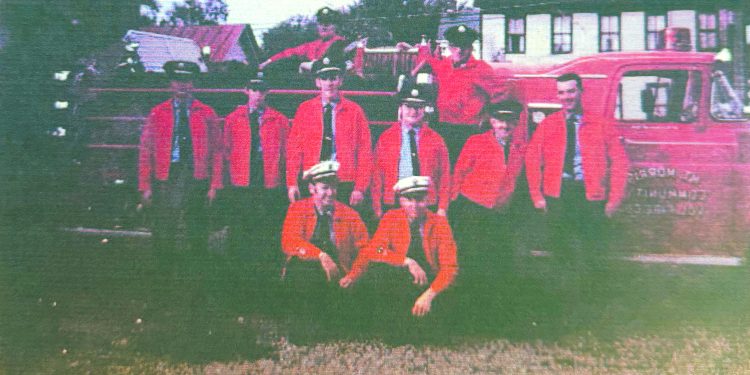


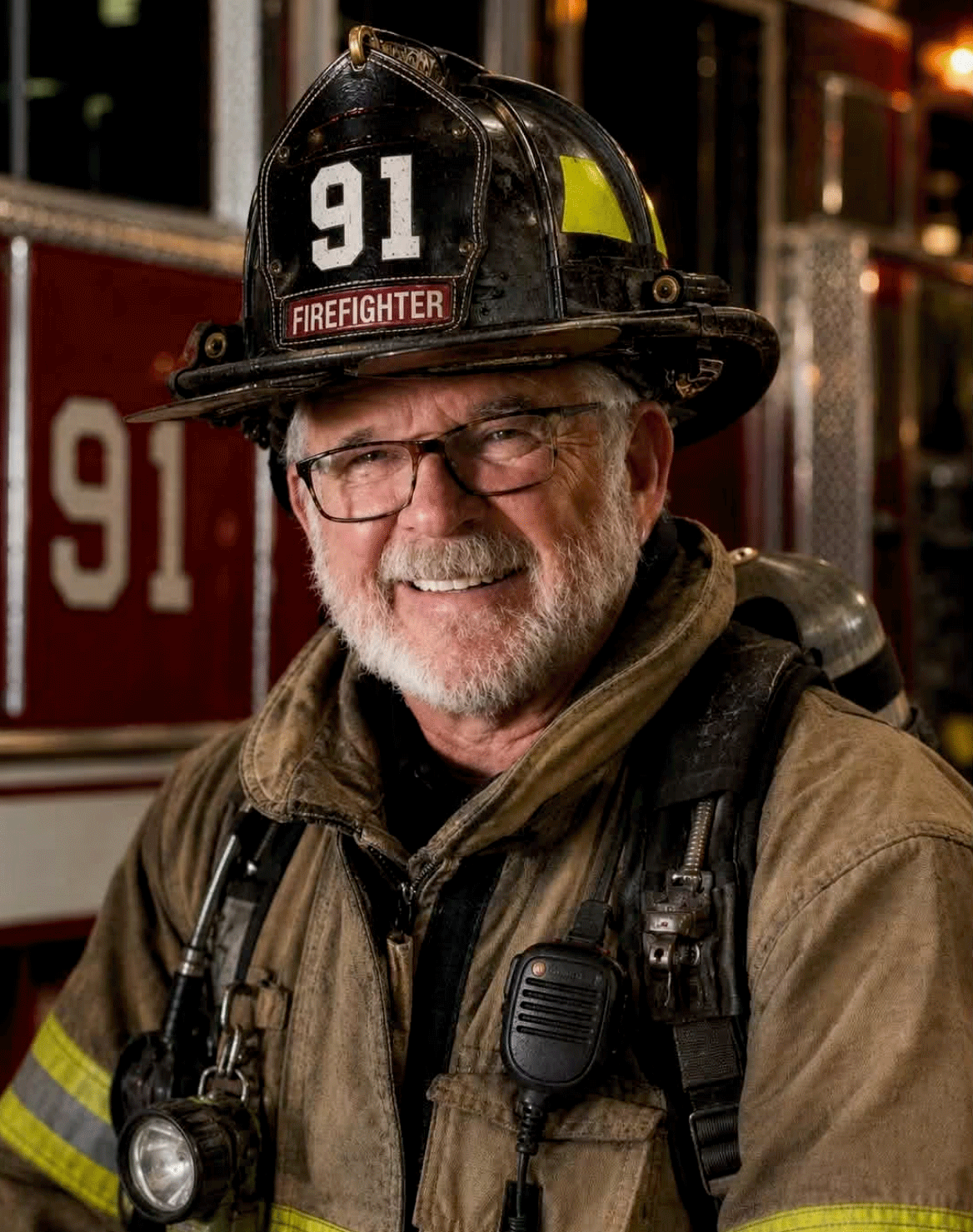
Every day, communities across Pennsylvania—and throughout the country—ask the same question:
“Why can’t we find volunteers for our Fire Departments and EMS agencies?”
The answer isn’t because people don’t care. The reality is much more complicated.
Years ago, becoming a volunteer firefighter or EMT often meant completing a few required classes and learning alongside experienced members. Today, the expectations placed on volunteers have grown tremendously.
A new volunteer is often expected to complete dozens, sometimes hundreds, of hours of training before they are fully qualified. Firefighters may be required to complete Firefighter I, Hazardous Materials Operations, Incident Command, CPR, Bloodborne Pathogens, National Incident Management System (NIMS) courses, annual refreshers, driver/operator training, and specialized certifications depending on their department.
Those interested in EMS face an equally significant commitment. EMT certification alone typically requires well over 150 hours of classroom and practical instruction, followed by state and national testing, continuing education, and recertification requirements.
For those who choose to continue their education, the commitment becomes even greater. An Advanced EMT (AEMT) program generally requires an additional 200 to 300 hours of classroom, laboratory, clinical, and field training beyond the EMT level. Tuition can range from $1,400 to more than $2,200, not including textbooks, testing fees, travel, or time away from work.
Those pursuing the highest level of prehospital certification as a Paramedic face an even larger investment. Paramedic programs commonly require 1,200 to 2,000 total hours of classroom education, clinical rotations, and field internships. Most programs take 12 to 24 months to complete, and tuition alone can range from $8,000 or more, before accounting for books, uniforms, certification exams, and licensing fees.
These advanced certifications are incredibly valuable and produce highly skilled medical professionals who save lives every day. However, they also represent a tremendous investment for individuals who may ultimately choose to volunteer their time rather than receive a paycheck. For many people with full-time jobs and families, the commitment can simply become too much.
Then there are the additional costs.
Before many volunteers can even begin serving, they must obtain criminal history clearances. In Pennsylvania, this often includes:
– Pennsylvania State Police Criminal History Check
– Pennsylvania Child Abuse History Clearance (when applicable)
– FBI Criminal Background Check requiring fingerprinting
While these background checks serve an important purpose in protecting the public, they also add another expense and another hurdle for someone who is already volunteering their time.
Training itself may be offered at reduced or no cost through county or state programs, but volunteers still sacrifice countless evenings, weekends, and time away from their families. They often spend hundreds of hours in classrooms, practical exercises, clinical rotations, and continuing education before ever responding to an emergency on their own. Some departments may also ask members to purchase personal equipment, maintain certifications, attend meetings, participate in fundraising, respond to emergencies at all hours, and complete increasing amounts of administrative requirements.
What many people don’t realize is that volunteering often comes with out-of-pocket expenses as well. Volunteers frequently use their own vehicles and fuel to attend training, respond to the station, or travel to classes. They may purchase boots, uniforms, flashlights, gloves, or other equipment not provided by their department. Meals during all-day training sessions, childcare while attending evening classes, and lost wages from taking time off work for required certifications all become personal expenses.
While these costs may seem small individually, they add up quickly and can become a significant burden for someone who is already donating their time. Imagine asking someone with a full-time job, a family, children’s activities, and everyday responsibilities to dedicate hundreds—or even thousands—of hours, spend their own money, and remain available around the clock to serve their community—all without receiving a paycheck.
That’s the reality facing volunteer emergency services today.
Volunteer Firefighters and EMTs don’t just respond to fires or medical emergencies. They provide traffic control, rescue victims from vehicle crashes, assist during floods anwd severe weather, support community events, educate the public, maintain equipment, train constantly, participate in fundraising, mentor new members, and remain ready 24 hours a day, 365 days a year.
Emergency calls continue to increase. Expectations continue to rise. Yet the number of volunteers continues to decline.
If we truly want to strengthen volunteExplore the challenges facing volunteer firefighters and EMS personnel in Pennsylvania, including rising training costs, time commitments, and declining recruitment.er emergency services, we must ask ourselves difficult questions.
Can we reduce unnecessary barriers while maintaining high standards?
Can we better assist volunteers with the costs of certifications, equipment, uniforms, travel, and required background checks?
Can employers, communities, and government agencies do more to support those willing to serve?
Are we asking volunteers to shoulder too much of the burden alone?
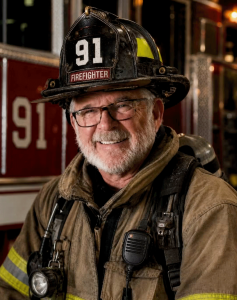
Harry Gillispie, 53 years as a volunteer firefighter and still responding
Volunteer emergency services remain one of the greatest examples of neighbors helping neighbors. But without meaningful support, we risk losing a tradition that has protected our communities for generations.
The next time you see a volunteer Firefighter or EMT, remember they likely gave up evenings with their family, weekends with their children, vacations, holidays, and hundreds—sometimes thousands—of hours for training.
Perhaps the question isn’t, “Why don’t people volunteer anymore?” Instead, we should be asking, “What can we do to make volunteering possible again?”