

The following is Part One of a reader’s response to a feature in our April edition.
The biggest lesson I have learned from cancer is that there is no finish line. Not in the way people imagine. You do not cross some magical point where everything goes back to normal and you get your old life handed back to you. Instead, at the very moment of diagnosis, you step into a new starting point. Ready or not, you’re immediately thrown into a new chapter. You’re about to begin creating a new version of yourself you never asked to meet, but you learn to grow into anyway.
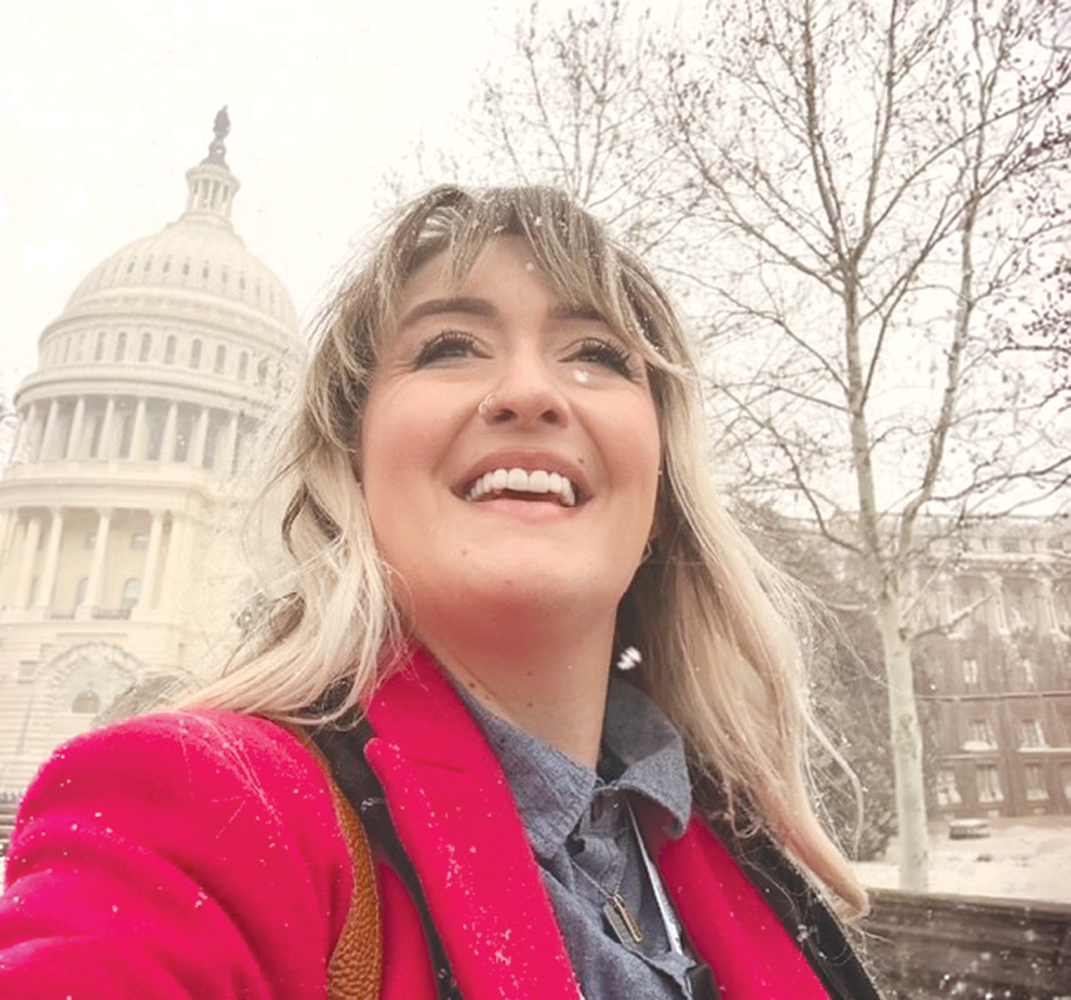
As I write this, it is April 8. I just finished reading Bret Moore’s articles in the April issue of The GreeneScene about the big role of the small-town doctor and who killed the small-town doctor. That piece hit me hard. I’m a 32-year-old lifelong Dilliner resident who was diagnosed with Stage 3A melanoma at 27 — just across the bridge, by a small-town doctor: Dr. English.
I now have another small-town doctor, Dr. Heselton in Greensboro, who has been doing everything to keep me alive for the last five years as I have dealt with every side effect the immunotherapy drug Keytruda threw at me, including Stevens-Johnson syndrome — a condition where a medication causes a full-body rash and can quickly shut down organs and become fatal. Yes. Brutal stuff. Terrifying stuff. Too terrifying for a 27-year-old.
I was an 11-year-old student at Bobtown Elementary School when I lost my father to MS at the end of sixth grade. I thought that was the worst thing I would ever have to deal with in my life. At least trauma-wise. I was wrong.
Learning to Navigate
I think I can speak for us all when I say, from the moment of diagnosis, you think you are running toward something: answers, clarity, a white-and-black checkered line. A moment where someone tells you, “OK, you are done.” But the truth is you are walking into a life that keeps unfolding. You learn and grow and change in ways you never expected. And the whole time, in the back of your mind, you are searching for a finish line that does not exist. Cancer does not give you that. It gives you a journey — and that journey becomes part of you forever.
I knew melanoma was skin cancer, but that was about it. I did not know what an oncologist was. I did not understand what “the deadliest form of skin cancer” actually meant. I was still in my 20s. Mortality did not feel real.. minus the dad thing… I thought I was too young to die. Or at least history could not repeat itself. My son was not even six years old… and you’re telling me I have cancer? Impossible. I was wrong again.
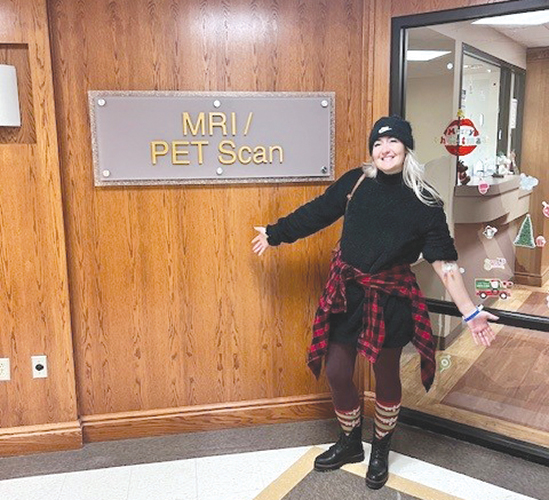
Then suddenly I was being slid into PET scan machines. I was waking up from surgeries I couldn’t even pronounce. Doctors talked at me, not to me, using words I had never heard. I did not know what to ask. I did not know where to look for information I could trust. I was scared to search online because I didn’t know what was real and what was misinformation, so I just kept showing up — one appointment at a time. One step at a time. That was all I could do.
Those steps were what taught me. Not the big dramatic moments, but the small, quiet ones — the ones where I was just trying to get through the day.
The Journey
Sometimes other patients look at me funny, sometimes with anger even, when I used the word journey. I understand why. It can sound cliché, or like I’m putting a pretty pink bow on something as horrific as cancer. I’m not doing that. To me, it is the only word that makes sense.
Everyone’s cancer journey is different. Everyone’s path — and pain — looks different. But it is a journey because it changes you. It teaches you. It forces you to grow in ways you never wanted.
It does not end when treatment ends. It does not even end when there’s no evidence of disease. On a personal note: if I can get through 2026 without a recurrence, I will be discharged from treatment completely. For now, I am a survivor of Stage 3A melanoma — the deadliest form of skin cancer — the thing that tried to take me out before I even turned 30.
I decided to learn everything about my diagnosis and become a patient advocate because I felt like I had been in a car crash that went on for two years. When I got out, I had no idea what happened to me or my body. The wild part is that, the whole time I was in treatment, I thought I was Stage 2B. Miscommunication plus an oncologist who assumed I understood more than I did was the root cause. This was someone who had been in the job so long she forgot what it feels like to be brand new to cancer. I did not know the right questions. I did not know the vocabulary. I did not know how to advocate for myself yet. I was just trying to stay alive.
(Part 2 will follow in next month’s edition)