

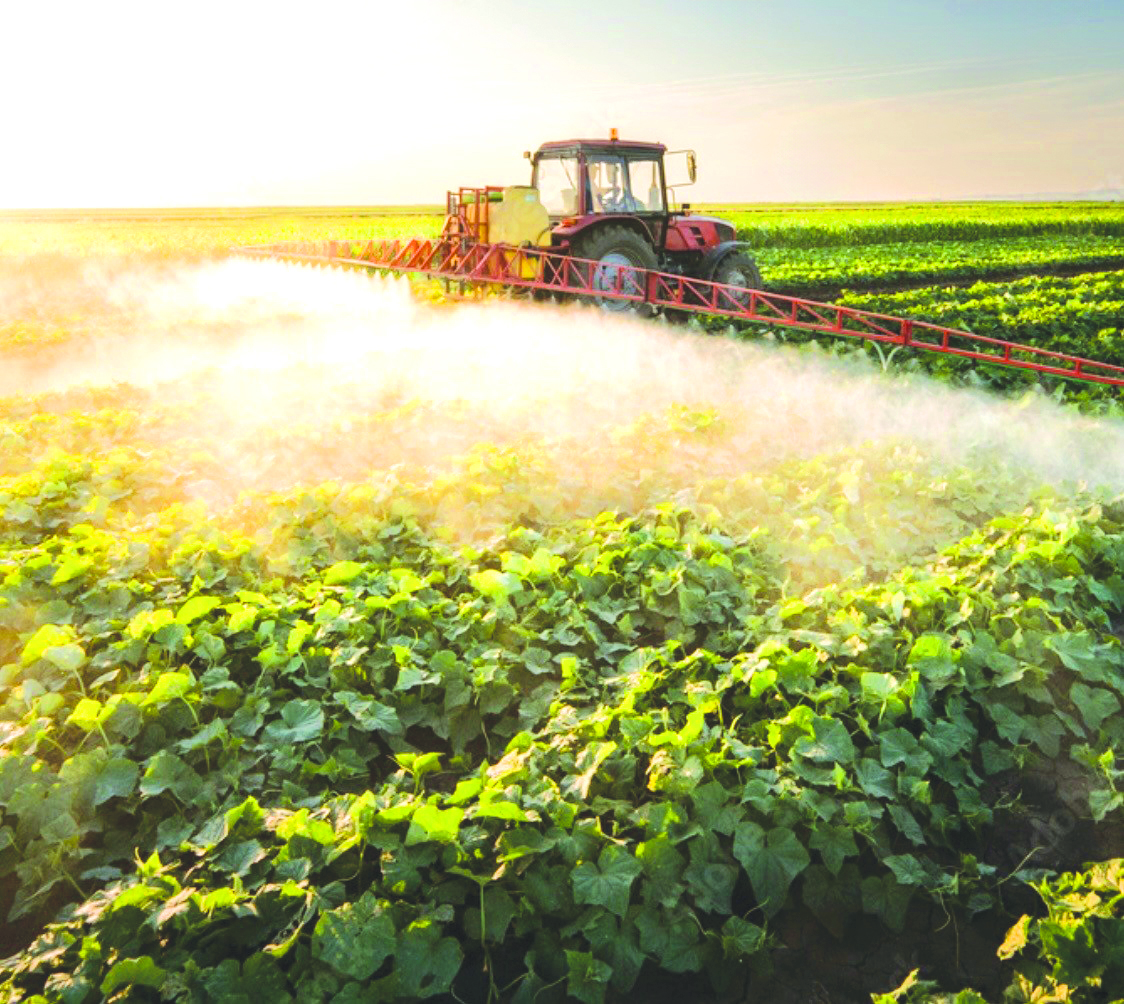
Local farmers have been having trouble obtaining certain types of Fertilizer. Nitrogen, Phosphorus, and Potassium have become harder to obtain recently. The global fertilizer shortage has had a profound effect on local farmers, reshaping how they manage crops, finances, and long-term sustainability.
This shortage emerged from a combination of disruptions, including supply chain issues and geopolitical tensions such as the Russia–Ukraine war and the conflict in Iran. Because Russia, Iran, and Ukraine play critical roles in the global supply, reduced exports led to sharp price increases and limited availability worldwide.
The U.S. has lower direct dependance on Middle Eastern imports than other nations. However, the 97% import reliance on potassium and significant nitrogen/phosphate imports make the U.S. market extremely sensitive to the resulting price spikes.
The strait of Hormuz handles 220,000 tons of nitrogen fertilizer daily, and some producers import roughly 3.8 million metric tons of Sulphur annually from the Persian Gulf to produce phosphate.
For local farmers, the most immediate impact has been economic. Fertilizer is a key input for maximizing crop and hay yields, and rising costs have significantly increased production expenses. Many small and mid-sized farmers operate on thin profit margins, so even modest price hikes can be destabilizing.
According to Kelly Morris of Waynesburg Milling, “Our supplier is offering blends with 10% nitrogen to try to spread out their supply as much as possible. When our stock of 19-19-19 is gone, we may not be able to get more. Unfortunately, that’s our most popular item. But even the material with lower percentages of nitrogen have spiked in price this year”.
With fertilizer prices doubling or even tripling in some areas, farmers have had to make difficult decisions like either absorbing the higher costs or reducing usage. In many cases, they simply cannot afford to use as much fertilizer as before.
Reduced fertilizer application directly affects crop yields, and the shortage has forced farmers to adapt their practices. Some have turned to alternative methods, such as organic fertilizers, composting, or crop rotation, to maintain soil fertility.
While these approaches can be beneficial in the long term, they often require more labor, time, and knowledge. Not all farmers have the resources or training to implement such changes effectively.
Morris offered the following advice, “We rent a soil probe so people can send their samples to Penn State for analysis. The Extension agronomy expert is super helpful in interpreting results and making suggestions. Many times people don’t actually need 19-19-19 levels.”
The volatility in fertilizer supply and pricing has made it harder for farmers to plan planting seasons or invest in future production. This uncertainty can discourage expansion and innovation, potentially slowing agricultural growth in the region.
Organizations like the Food and Agriculture Organization have warned that prolonged fertilizer shortages could have lasting global consequences, particularly for small farmers. Without adequate support, these farmers risk falling into cycles of debt and reduced productivity.
While some are finding innovative ways to cope, the broader impacts highlight the vulnerability of agricultural systems to global disruptions and the need for more resilient and sustainable farming practices.
Fertilizer production, especially nitrogen, depends heavily on energy (like natural gas). When gas prices rise, fertilizer production gets more expensive. Unfortunately, natural gas prices are expected to stay elevated into 2026 resulting in higher cost even when there is an ample supply.
Europe has also reduced production due to high energy costs. Finally, trade policies and tariffs affect imports (e.g., potash from Canada), resulting in higher prices here at home.
The effects of the shortage are already visible. Farmers are switching to crops that need less fertilizer or reducing fertilizer use, which results in lower crop yields.
Currently, there is still at least a restricted supply of fertilizer; however, an uncertain future supply chain could be even more devastating for the industry.