


Pennsylvania lawmakers are closer than ever to adopting a statewide policy restricting student cell phone use during the school day, but the proposal must still clear several legislative hurdles before it becomes law.
The latest effort centers on House Bill 1814, which would require every public school district in the Commonwealth to establish a “bell-to-bell” cell phone policy. Under the proposal, students would be prohibited from using cell phones and other personal electronic devices from the opening bell until dismissal, with exceptions for emergencies, documented medical conditions, disabilities, and other circumstances determined by local school officials.
The House approved the measure by a bipartisan 126-75 vote in early June. Earlier this year, the Senate overwhelmingly approved a similar proposal, Senate Bill 1014, signaling broad agreement that student cell phone use has become a growing concern in Pennsylvania schools.
Despite that bipartisan momentum, the legislation has not yet reached Gov. Josh Shapiro’s desk.
Because the House and Senate passed different versions of the proposal, lawmakers must still agree on a single bill. Once identical legislation passes both chambers, it would then be sent to the governor, who has publicly expressed his support and is expected to sign such legislation if it reaches his desk.
Supporters argue smartphones have become one of the biggest distractions in today’s classrooms, making it more difficult for students to focus. Many also point to research linking excessive smartphone use to increased anxiety, reduced attention spans, cyberbullying, and declining social interaction among young people.
Advocates emphasize that the proposal is not intended to prohibit students from owning phones or bringing them to school. Instead, they say it simply establishes consistent expectations during the instructional day while allowing exceptions for legitimate medical and safety concerns. They also note that many districts have already adopted similar policies with positive results. Those districts have reported greater student engagement and fewer discipline problems.
Critics, however, caution against a statewide mandate. Some legislators believe individual school districts should decide how to manage student cell phone use. Pennsylvania’s urban, suburban, and rural districts face different challenges, opponents argue, and a one-size-fits-all policy may not work equally well everywhere.
Others have expressed concern about student safety. Many parents prefer knowing their children have immediate access to a phone during emergencies, even if schools already maintain emergency communication procedures. Some also question whether enforcing a statewide ban would create additional burdens for teachers and administrators, potentially leading to conflicts over confiscating devices.
Even with those concerns, the proposal appears to have substantial bipartisan support. The remaining debate centers less on whether phones should be restricted than on how much flexibility local school districts should retain when creating and enforcing their own policies.
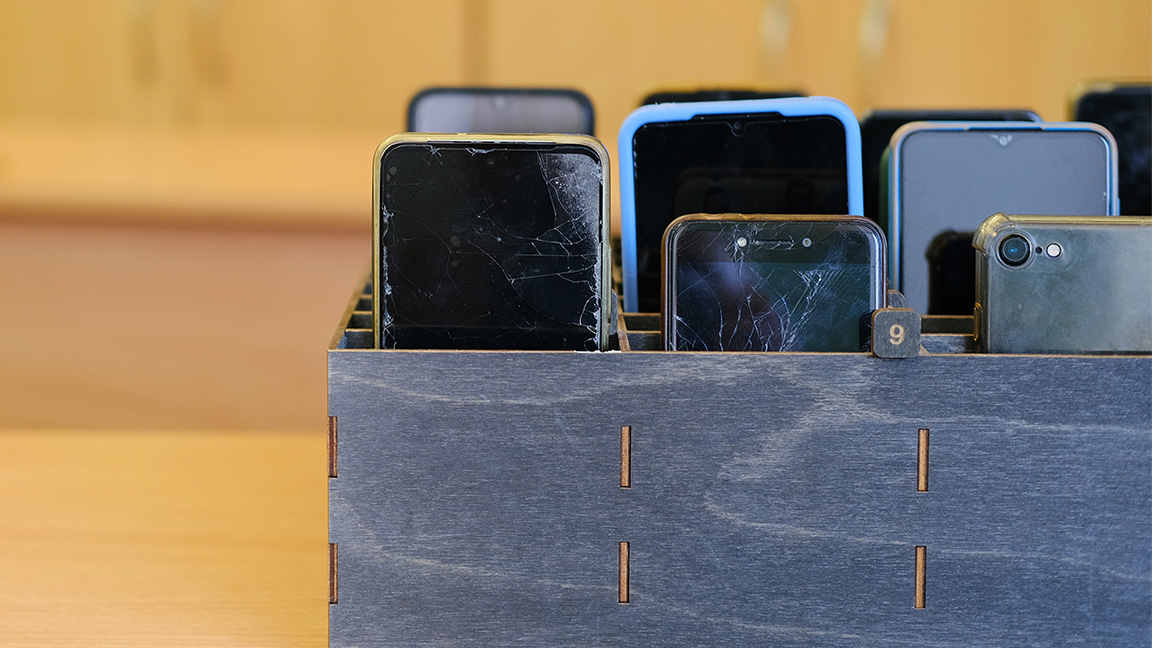
For now, Pennsylvania schools continue operating under their individual district rules. Some districts already require students to store phones in lockers or locked pouches during the day, while others permit limited use during lunch or between classes.
If legislators can reach agreement and send a final bill to the governor, Pennsylvania could soon join the growing number of states that have adopted statewide restrictions on student cell phone use in schools.
Where Both Bills Agree
- Students would be prohibited from using cell phones during the school day under a “bell-to-bell” policy.
- Exceptions would be allowed for medical needs, disabilities, emergencies, and other approved circumstances.
- Every public school district would be required to adopt a written policy governing student cell phone use.
The Remaining Differences
- How much flexibility local school districts should have when designing their policies.
- Whether specific enforcement procedures should be outlined in state law or left to individual school boards.
- Technical language regarding implementation and accountability.