

Originally, Carmichaels and the surrounding areas were overwhelmingly agricultural communities producing grain, livestock, hay, and dairy products. Early settlers established farms throughout the Muddy Creek valley after the late eighteenth century. Their products were sent by flatboat and steamboat across the western half of the country.
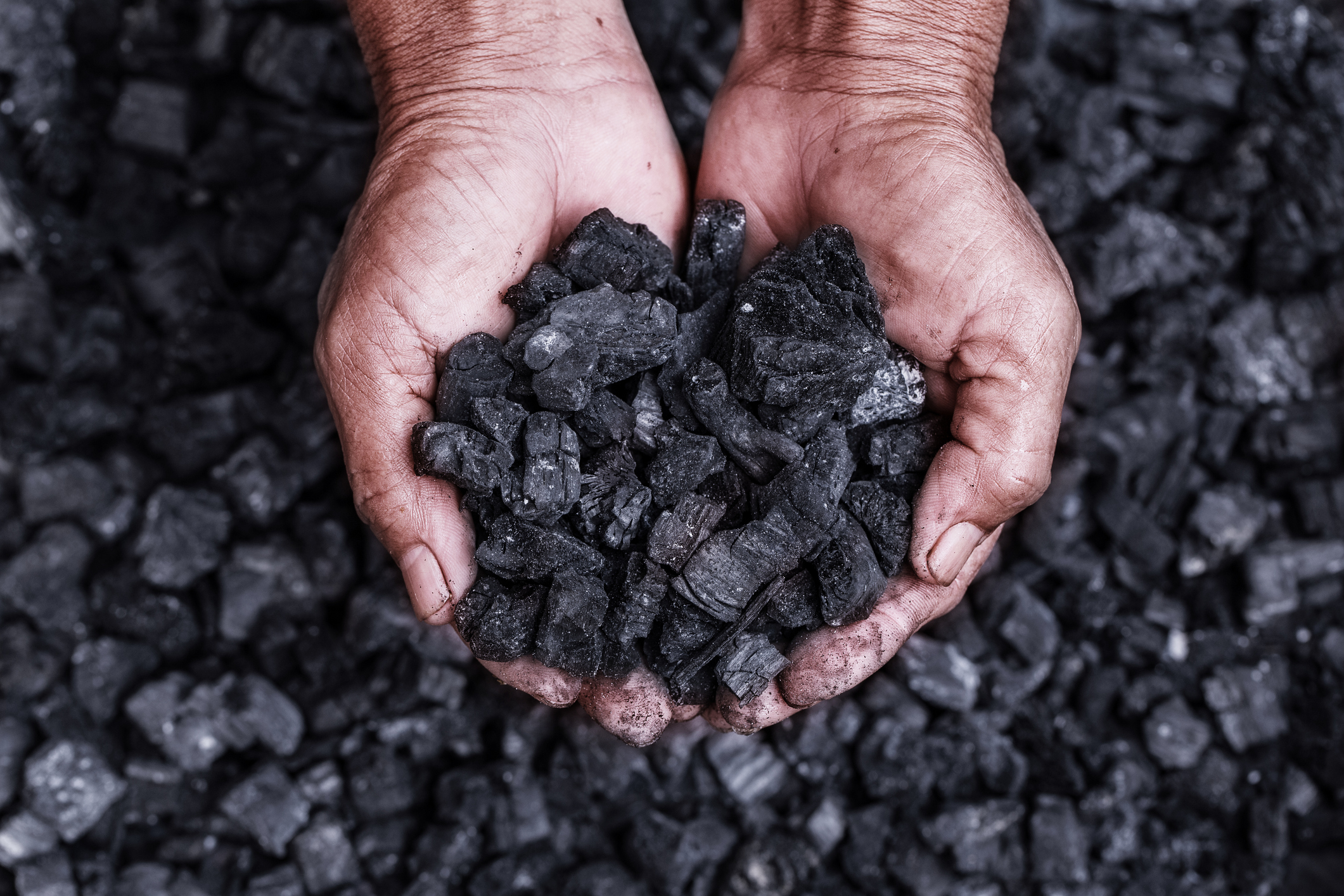
Farming remained the primary economic activity through most of the nineteenth century before coal mining gradually began overtaking agriculture in the 1890s. In Greene County, early mining initially remained small-scale. Farmers often extracted coal from outcroppings on their own land for heating and local sale.
However, coal production expanded steadily in the area as Pittsburgh grew into an industrial center. By 1830, the city consumed hundreds of tons of coal daily for homes, blacksmithing, glassmaking, and small factories. Early mines relied entirely on manual labor, with miners cutting coal by hand and hauling it by horse and wagon.
After the Civil War, the coal industry transformed southwestern Pennsylvania. The rise of iron furnaces, coke production, railroads, and steel manufacturing created enormous demand for high-quality bituminous coal from the Pittsburgh seam.
Mining spread southward into Greene, Washington, Fayette, and Westmoreland counties. Small family operations gradually gave way to larger commercial mines backed by outside investors and railroad companies.
Large-scale development did not begin until the 1890s, when coal land speculation and railroad expansion accelerated dramatically. Between 1893 and the early 1900s, companies purchased tens of thousands of acres of coal rights throughout the Mon Valley.
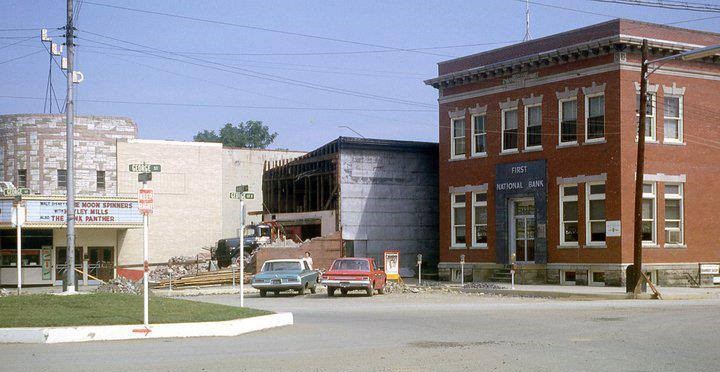
During that decade, many river towns became increasingly tied to coal extraction and coke production rather than farming. Coal tipples, company towns, rail spurs, and barges began to dominate the landscape. Although agriculture remained important, mining wages increasingly supported local businesses, banks, and transportation networks.
The arrival of the Monongahela Railway in 1900 revolutionized the region by allowing coal to be shipped efficiently to Pittsburgh steel mills and national markets.
By the early twentieth century, nearby mining towns such as Nemacolin, Crucible, and Rices Landing were growing rapidly, and many residents who once relied on farming were now underground. Immigrant laborers arrived in large numbers during this period as coal production became the region’s dominant industry.
By roughly 1910–1920, coal mining had clearly become the main economic engine of eastern Greene County, although farming continued alongside it for decades afterward.
During Greene County’s coal heyday, from the 1930s through the 1970s, coal’s influence reached nearly every corner of local life. Thousands of men worked underground, while thousands more earned their living in railroads, machine shops, trucking, retail stores, and businesses that served mining communities.
By the postwar years, an estimated one-half or more of Greene County families depended directly or indirectly on the coal industry. Coal was more than the county’s largest employer. It built towns, supported schools, and shaped generations of families.