

This month, we continue our new feature Backroads Redux. The series is a retelling of stories published nearly half a century ago by a Waynesburg Central Publications class.
Published in 1977, Backroads is a collection of interviews conducted by students with their grandparents and older family friends. Through these conversations, the students captured stories of everyday life in the county—memories of small-town traditions, hard times, simple joys, and the changing landscape across generations.
The stories include everything from farms, railroads, epidemics, old-time radio, hunting tales, bakeries, buildings, and college dorm gangs.
This month’s feature was written by Keven H. Holleran about the Old Curb Market in Waynesburg. He had interviewed a well-known local author, Ruth Stewart Schenley.
During the darkest days of the Depression, the local curb market represented more than a place to buy tomatoes or eggs. It embodied a simple idea—that neighbors could help neighbors. Farmers found customers, families found affordable food, and small towns discovered that in hard times community matters.
Although the idea of farmers selling produce directly from wagons along city streets dated back to the 1800s, curb markets enjoyed a major revival during the 1930s. In many communities, local civic groups or chambers of commerce organized the markets.
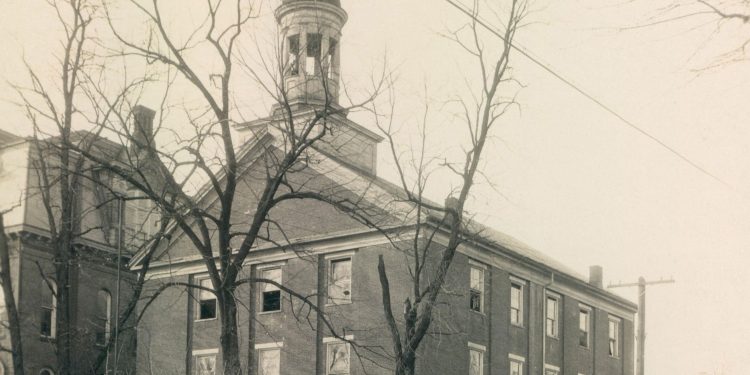
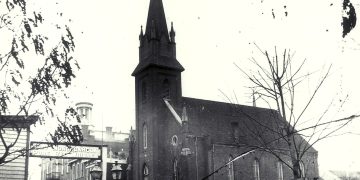
The Waynesburg Curb Market started in the early 1930s on Church Street (the alley to the east of the courthouse).
According to Holleran’s article, Mrs. Schenley was a member of one of the affluent families in town that organized the market. In addition, beloved Waynesburg College President, Dr. Paul R. Stewart, was heavily involved in the event.
This group of philanthropists were concerned about “those of lower economic conditions.” These women would work most of the day on Friday preparing for the Saturday morning market. They coordinated vendors, cooked, and baked for the expected crowds.
The farmers and organizers usually set up at 5:30 to arrange their products and produce. By 6:00 a.m., the first customers were already milling about. Mrs. Schenley related the story that one particular customer was always first in line.
Mr. Tate operated a shoeshine and hat-blocking parlor behind the courthouse. Tate knew that certain items would “go fast,” so he quickly grabbed them on the way to open his parlor. He would return two or three times throughout the morning paying with the nickels and dimes from his customers.
Two sisters were considered the featured presenters at the market. “Mrs. Chambers and Mrs. Fry always brought an interesting assortment of prepared foods: cakes, pies, homemade bread, rolls, dressed chickens, baked beans, and all kind of cookies.” The two ladies “had won many prizes at fairs around Greene County.”
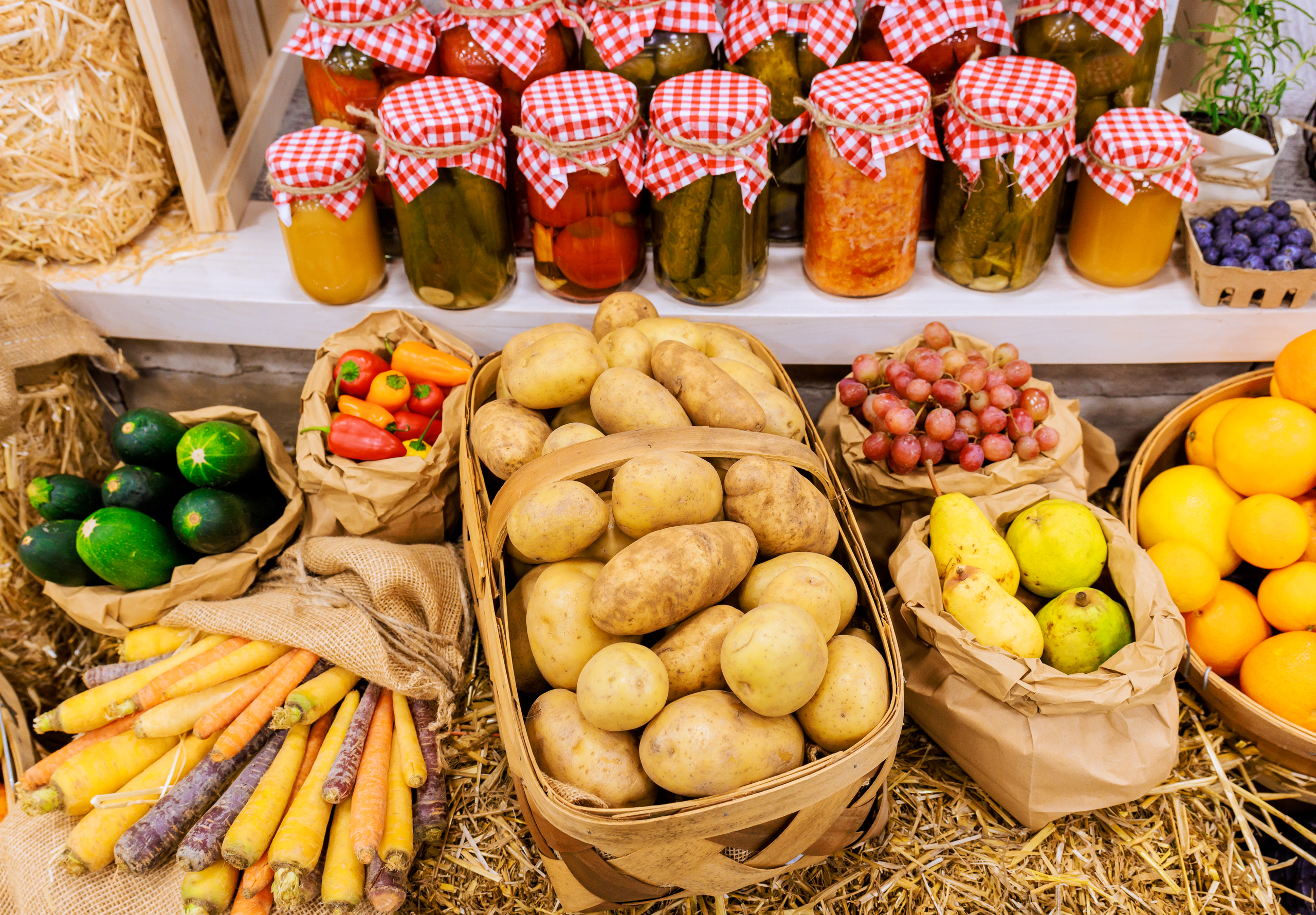
Many of the local women were intimidated by the sisters’ talents and stuck to bringing garden and orchard products. Products such as berries, apples, peaches, and plums, were sold by the half-gallon, gallon, peck, or bushel. Vegetables were sold in bunches.
Another interesting aspect of the story involved a captive audience at the market….. literally. Those who were involuntary guests of the sheriff’s office had a bird’s eye view of the festivities (albeit through the bars). At times, friendly, good-natured teasing took place as patrons would relate how good the baked goods were to those incarcerated.
I’m not sure if the prisoners viewed it the same way.
By the mid-1950s, grocery store chains and a booming economy made the Curb Markets obsolete. Holleran’s article, written toward the end of the 70s, could not have foreseen the resurgence of such markets. Although today’s venues are more about nostalgia and healthy eating, the concept of community still plays a major part in these markets.