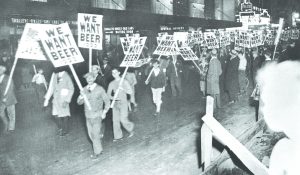

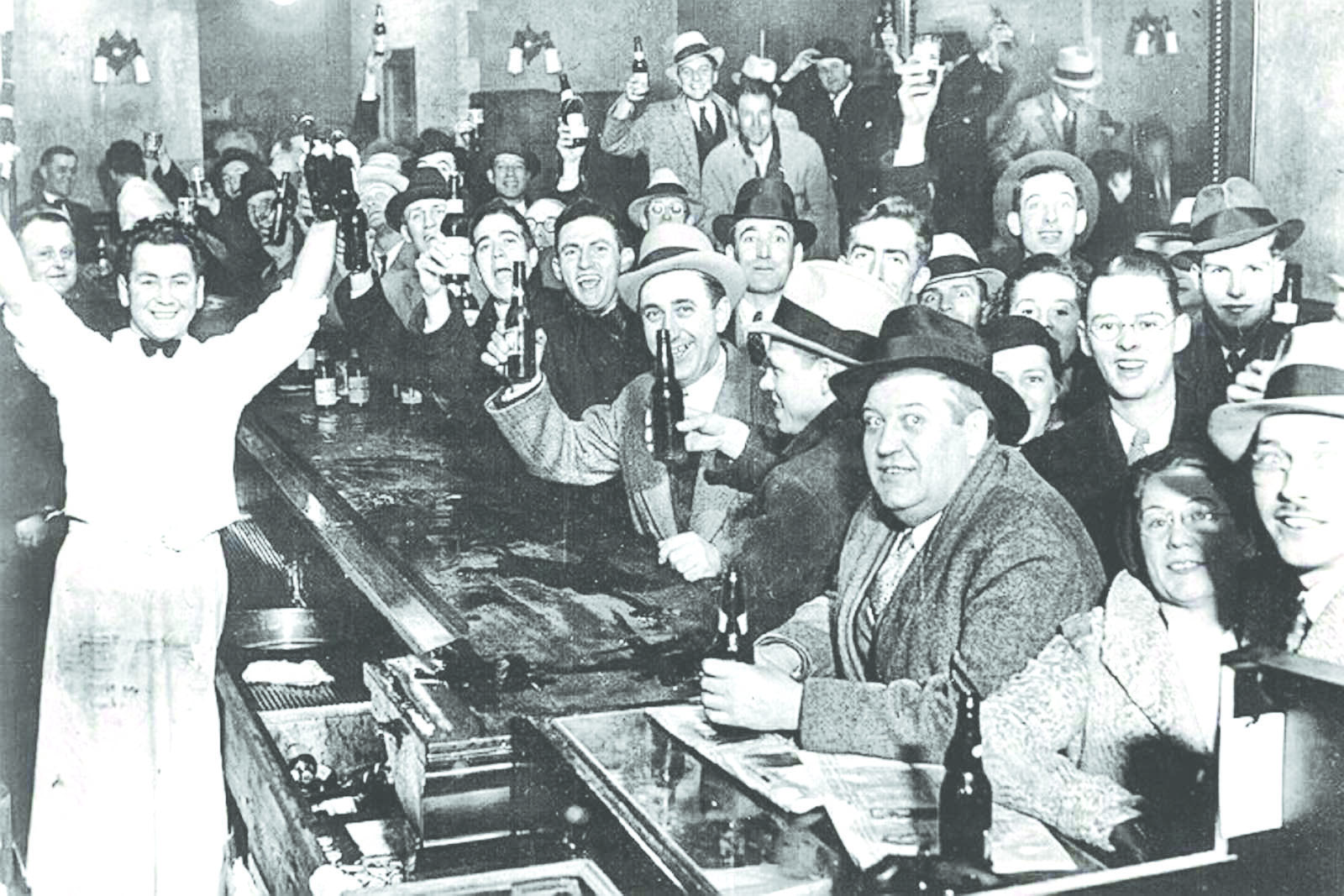
Prohibition ended in 1933, after more than a decade of Americans discovering that banning alcohol did not eliminate drinking. The Great Depression also played a role, as many saw legalized alcohol as a source of desperately needed jobs and tax revenue.
The 21st Amendment repealed the 18th Amendment, returning control of liquor laws to the states. However, Greene County was not going to give up the fight easily.
In 1935, townships voted on whether to permit beer and liquor sales. In some Greene County townships, the old prohibition sentiment survived at the ballot box, leaving behind a patchwork of “dry” and “wet” communities that still exists today.
These laws are more than an oddity from another time. They are living reminders of decisions made by earlier generations, many of whom viewed abstinence as a matter of morality and community welfare.
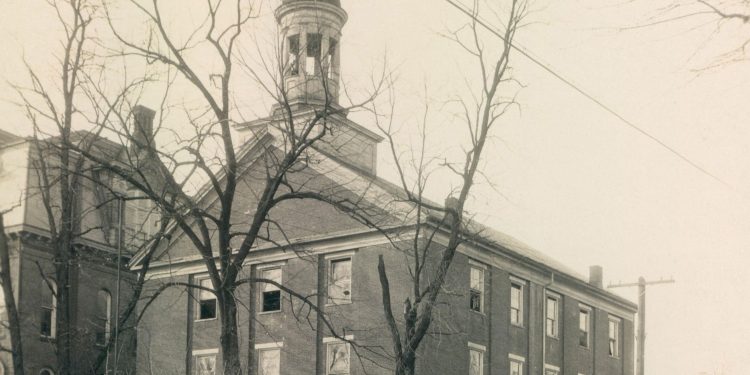
In 1942, the Fort Jackson Hotel in Waynesburg was due to renew its liquor license. However, in September of the previous year Waynesburg voters approved a referendum against the sale of liquor within the borough limits.
The referendum held two local-options for voters: one on liquor licenses and another on retail malt-beverage licenses. The vote was: Liquor: 843 in favor, 1,220 against and Malt beverages: 813 in favor, 1,172 against
The hotel challenged the decision, but the Pennsylvania Superior Court ultimately upheld the refusal.
Eventually, the bar scene began coming back to life after World War II. Thousands of young soldiers, sailors and support personnel returned home bringing money and a desire for recreation. Taverns once again became gathering places for conversation, camaraderie and a drink.
By the 1960’s, “beer gardens” as my grandmother called them were ubiquitous throughout Waynesburg and the eastern half of the county.
The 1950s and 1960s were decades when beer and other alcoholic beverages became deeply woven into the fabric of American popular culture. The brewing industry expanded rapidly, and television gave it an enormously powerful new way to reach consumers. By 1960, television was in the vast majority of homes, creating an audience that radio and print advertising could never match.
Beer companies quickly recognized they weren’t simply selling a beverage. They were selling an image. Commercials associated beer with baseball, family gatherings, friendship, outdoor recreation, and the “good life”. Brewers sponsored sports broadcasts and television programs, putting their brands directly into the living rooms of millions of Americans. Anheuser-Busch, for example, was an early and aggressive television advertiser and used celebrities to build its brand.
The strategy was remarkably effective at making beer seem less like an intoxicating beverage and more like a normal part of everyday American life. When consumers saw relatively little difference between competing beers, Madison Avenue increasingly sold the personality of the brand.
In that sense, the 1950s and ’60s helped sell an entirely new idea of what drinking represented. A bar, tavern or restaurant became more than a place to eat or drink.
Bar patrons celebrate the end of Prohibition
Through the years, those places also became repositories of memories. A certain song, the glow of a neon sign, or the smells of burgers from a kitchen can suddenly carry us backward decades to our favorite hangouts.
We remember the friends who sat beside us, the laughter that seemed endless, the first dates, the flirtations, the celebrations and the nights when we were young enough to believe the next weekend would always be there.
In those places, friendships were forged, romances began, and stories were born. Some of the people may be gone and the signs have faded, but for a fleeting moment, stepping through the door to those memories can make the years disappear. Perhaps that is the real magic of a neighborhood tavern. It doesn’t merely remind us of where we once went. It reminds us of who we once were.
We know our readers enjoy looking back on elements of our community that represent bygone eras. Therefore, we undertook an effort that required reaching out to friends and readers to compile a list of local establishments that have provided those memories to generations of us.
We hope the repository of your memories can be found on this list. However, there will no doubt be mistakes and omissions in our attempt. Afterall, those memories are sometimes clouded by the very activities that were provided in those establishments.
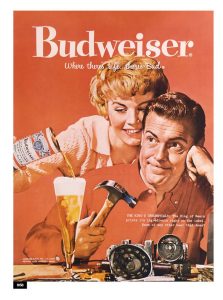
Madison Avenue sold beer as a part of everyday family life.
We used parenthesis to illustrate the progression of name changes for the same physical building.
Mather
Theresa’s
Kuharcheck’s/ Emelia’s
Fredericktown
(Angelo’s, Roxy’s Rizzles,)
(Bartolattas, Riviera, Vesta 88)
Sportsman’s Bar
Riverside
Packrall’s Bay
Nemacolin
Grandma’s Bar (AKA, Gazy’s)
Hill Top Lounge
Crucible
The Horse Shoe
Rices Landing
Ralph’s
Jefferson
Jefferson Hotel
Twin Angels (Now Laverns)
Demaske’s Tavern
(Stoney Point, Third Base Lounge , Stoney Point)
Dry Tavern
Malo’s
(Kourmith’s /Caputo’s)
Sabo’s Blue Moon
Jollytown
Jones Tavern
Greensboro/Bobtown/Dilliner/Mapletown
Jimmies’s Place, Rockys, Merv’s Bar, The Ice Plant, Old Farm Inn, Two Rivers
(The Maples/ Fishers, Good Times)
Brave/Blacksville
The Cliff (Dunkard Beach), The Silver Dollar, (The Y, Just One More, Jaq’s)
Clarksville
Balazic’s (AKA Gladiator School) (in Braden Plan)
(Wagon Wheel, The Broken Wheel)
(Kensic’s, the Borderline)
(Hole-in-the-Wall, Jimbo’s)
Clarksville Hotel
(Koci’s/Ozie’s)
(Greene Valley Bar, Puffy’s, Ten Mile Tavern)
Oddie’s (Pitt Gas Speakeasy)
Mt. Morris
State Line Inn, Joe’s, The Martinsville Nightclub
(Jacks, Hanks, O’Riley’s)
Millsboro
Greene Cove
(Millsboro Hotel, Paletta’s)
Carmichaels
Carl’s Lounge, Serbs Red Star,
Pappy’s, The Crow’s Nest
(Vera’s Lounge, Anthony’s, Pat’s Pub, Boondocks)
(Top Hat, 21 Tavern)
(Johnny’s Lounge, the Pick & Shovel)
(Sam & Bill’s, Just Bill’s)
Masontown and Surrounding Area
Dolphi’s, the Silver Bar, The Wagon Wheel, Adolf’s, the Brown Bottle, The Berg, Yunk’s, The Glass Bar, Mario’s (Edenborn), Shuva’s, Krets, and Klondike Lanes.
(Chuck’s Boat Club, River Rats, Porky’s) (The Locker Room, Mario’s)
Waynesburg
The Cascade (Where the stock yard is now), Poogies, Green Grill, John’s Village Inn, The Triangle, Waynesburg Hotel and Lounge, The Jury Box, Daddy Jim’s, The Colonial, Rohanna’s, Tailgaters, Don Pablo’s
(Gusic’s, the Bil Mar)
(Koratich’s, Pancake House, Cowboy Saloon, Koratich’s Golden Rail)
(Holiday Motel, J. Gregory’s, Buddys, Goodtime Charlie’s, Stiffy’s)
(The Bowling Alley/Triangle Lounge, Strykers)
(Alberts, Buddy’s, Brady’s Roadhouse)
(Old Sation Inn, Max and Sams, Old Station Inn)
Ruff Creek
(Matt Gusics, Rinky Dinks)
Social and Veteran’s Clubs
Waynesburg Elks
Waynesburg and Clarksville Eagles
Waynesburg, Carmichaels, and Millsboro Moose Clubs
Waynesburg, Carmichaels, and Greensboro VFW’s
Waynesburg, Carmichaels, Rices Landing, and Mt. Morris American Legions
Carmichaels Knights of Columbus
Owls Club (Fredericktown)
Odd Fellow’s Club (Clarksville)
Rices Landing Athletic Club
Masontown Italian Club
Crucible & Nemacolin Citizen’s Clubs
Crucible Slovakic Club
Bobtown Rod and Gun Club
Jessop Boat Club (Crucible)
Croatian Club (Mather)
Pal’s Club (Masontown)