

There is a peculiar contradiction in the way we talk about small-town downtowns. Some of our most popular features have been nostalgic recollections of our idyllic past.
We love romanticizing the good old days. Funny thing is, nobody seems to really want them back. They just want to remember them.
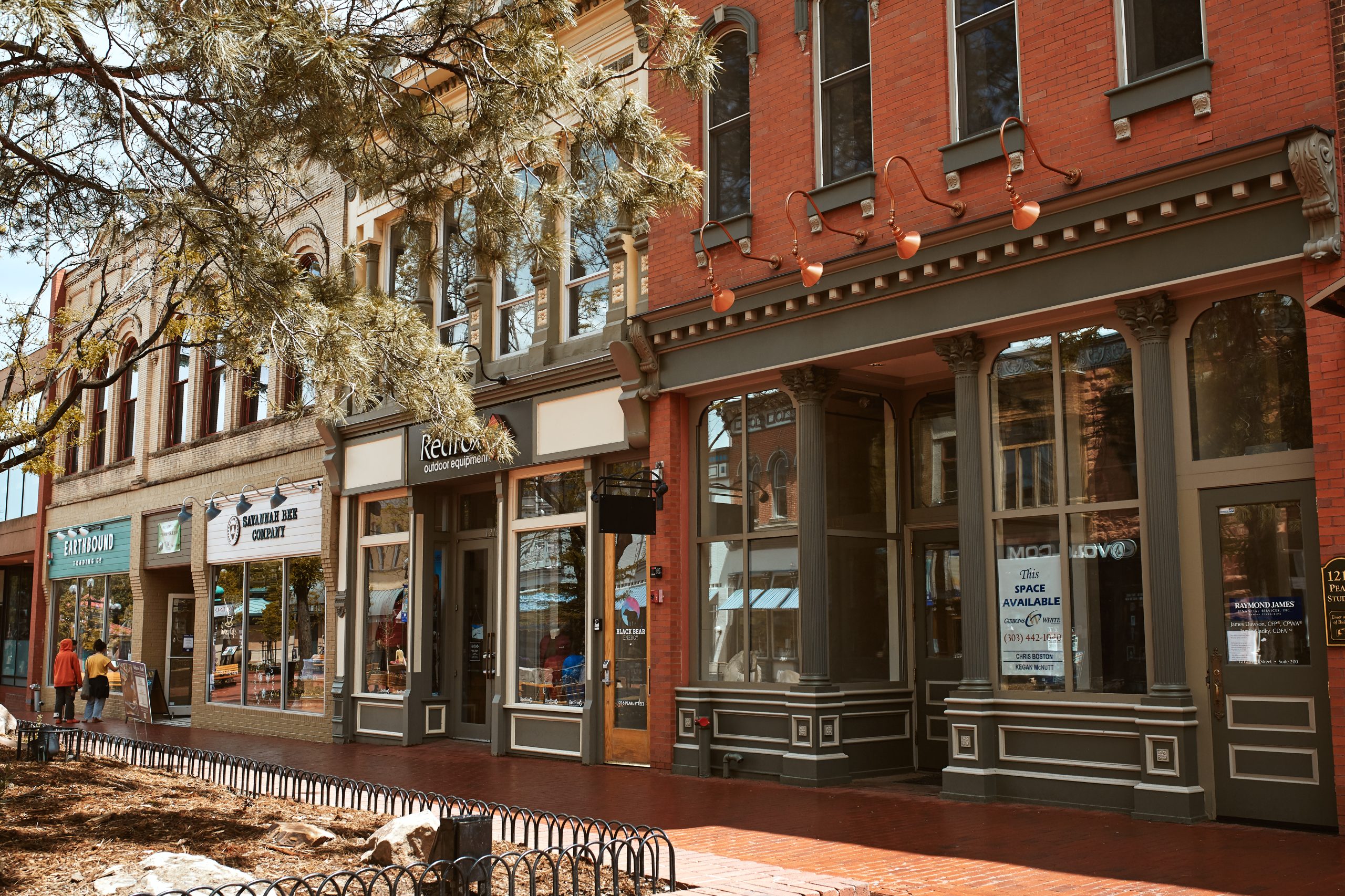
We mourn them. We remember when Main Street was the center of everything. The hardware store knew what size pipe you needed; the drugstore had a soda fountain; and the owner of the clothing store knew your mother.
We remember walking downtown, parking without paying, bumping into neighbors and wandering from one store to another.
Then we get in the car and drive to Pittsburgh, Morgantown, Uniontown or Washington to shop. Even worse, we sit on the couch, pull out our phones and order whatever we need from Amazon. And there, in a nutshell, is the modern small-town dilemma.
We want the downtown we remember, but we don’t shop like the people who created it. That is not hypocrisy so much as cognitive dissonance — the uncomfortable gap between what we say we value and what we actually do.
We want locally owned stores, but we want lower prices. We want personal service, but we want convenience. We want a vibrant downtown, but we don’t want to pay two dollars more for something we can order online for $12. We want the old-fashioned Main Street experience, provided somebody else is willing to absorb the cost of keeping the lights on.
It’s an impossible equation.
For generations, small-town downtowns didn’t have much to compete with. People lived closer to where they worked. Families bought locally because there weren’t many alternatives, and shopping was as much a social activity as an economic one. Downtown wasn’t merely a collection of businesses. It was the community’s living room.
Then came the automobile, shopping centers, national chains, and big-box stores. Each change offered something consumers liked: more choices, lower prices, easier parking, and longer hours.
Although it is tempting to blame big-box stores or technology for the decline of our downtowns, that slow death spiral started a generation earlier when Interstate 79 was completed.
When I was little, we made our only shopping trip to Washington for school clothes. That August pilgrimage also included our annual stop at McDonalds since the hallowed arches had not yet made their way to Waynesburg.
When I-79 was completed both north and south, suddenly our shopping sensibilities started to change. Afterall, the H-P Department Store, Fishers Big Wheel, Heck’s, and Ames all closed their doors when we still thought Amazon was an answer to a geography trivia question.
When internet shopping did arrive, it delivered the coup de grace to local merchants. Suddenly anything you wanted could appear on your doorstep in a cardboard box within 24-48 hours. It’s simply impossible for small businesses to compete with that.
A local store has rent, utilities, insurance, employees, inventory and taxes. Amazon has a warehouse the size of several football fields and an algorithm that knows what you looked at three weeks ago. The local merchant knows your name, but Amazon knows what you searched for at 11:43 Tuesday night.
Ultimately consumers helped create the current system. We voted with our wallets.
We stopped thinking of shopping as something that happened in a place. It was simply something that happened wherever we had an internet connection.
None of that makes people bad. It makes them consumers. The uncomfortable truth is the disappearance of the traditional downtown wasn’t caused by corporations taking something away from us. It was caused by us changing what we wanted.
And now we find ourselves wishing we could have both worlds. We want the convenience of 2026 and the downtown of 1966. Unfortunately, time machines are not currently available on Amazon.
The answer to our problem isn’t trying to recreate the downtown of the past. We need to stop thinking of downtown as a place where people go to buy things. Shopping can be part of it, but it can’t be the whole reason people come.
A successful downtown in the new economy may be more about experiences, services, and identity rather than shelves full of merchandise. Restaurants, coffee shops, bakeries, breweries, entertainment venues, salons, specialty shops and professional services can all contribute to a downtown’s vitality. So can farmers markets, festivals, art walks, car shows, holiday events and community celebrations.
The key is giving people a reason to come downtown — and then giving them reasons to stay. A downtown that becomes a destination rather than simply a shopping district has a much better chance of surviving.
There is another opportunity: technology. The internet that helped destroy traditional retail can also help small businesses compete. A local shop doesn’t necessarily have to choose between a brick-and-mortar storefront and online commerce. It can have both. Bakeries, antique shops, restaurants, and craftsmen can use online ordering and delivery – or even sell products nationally while maintaining a local presence.
In other words, small towns don’t have to reject the new economy. They need to learn how to use it. The future may belong to businesses that combine the personal connection of the old Main Street with the convenience of the new one.
Small towns should capitalize on what makes them different. A downtown doesn’t need 100 stores. It needs enough interesting places, activities and experiences to make people want to stop in. Maybe we can change, too.
The future of small-town America isn’t entirely in the hands of developers, politicians or business owners. It is also in the hands of residents. If we genuinely want downtowns to survive, occasionally, we have to shop there. Not every time. Not for everything. And not regardless of price.
But sometimes. Buy the gift locally. Have lunch downtown. Get your haircut there. Stop for coffee. Take the kids to the festival. Visit the farmers’ market.
Spend a little money where you live. More importantly, spend a little time where you live because that’s what downtowns really need. They don’t necessarily need to become what they were. They need to become what they can be.
Nobody is going to convince people that convenience is a bad thing. But the challenge isn’t choosing between the modern world and the small-town past. It’s figuring out how to make the small town valuable in the modern world.