


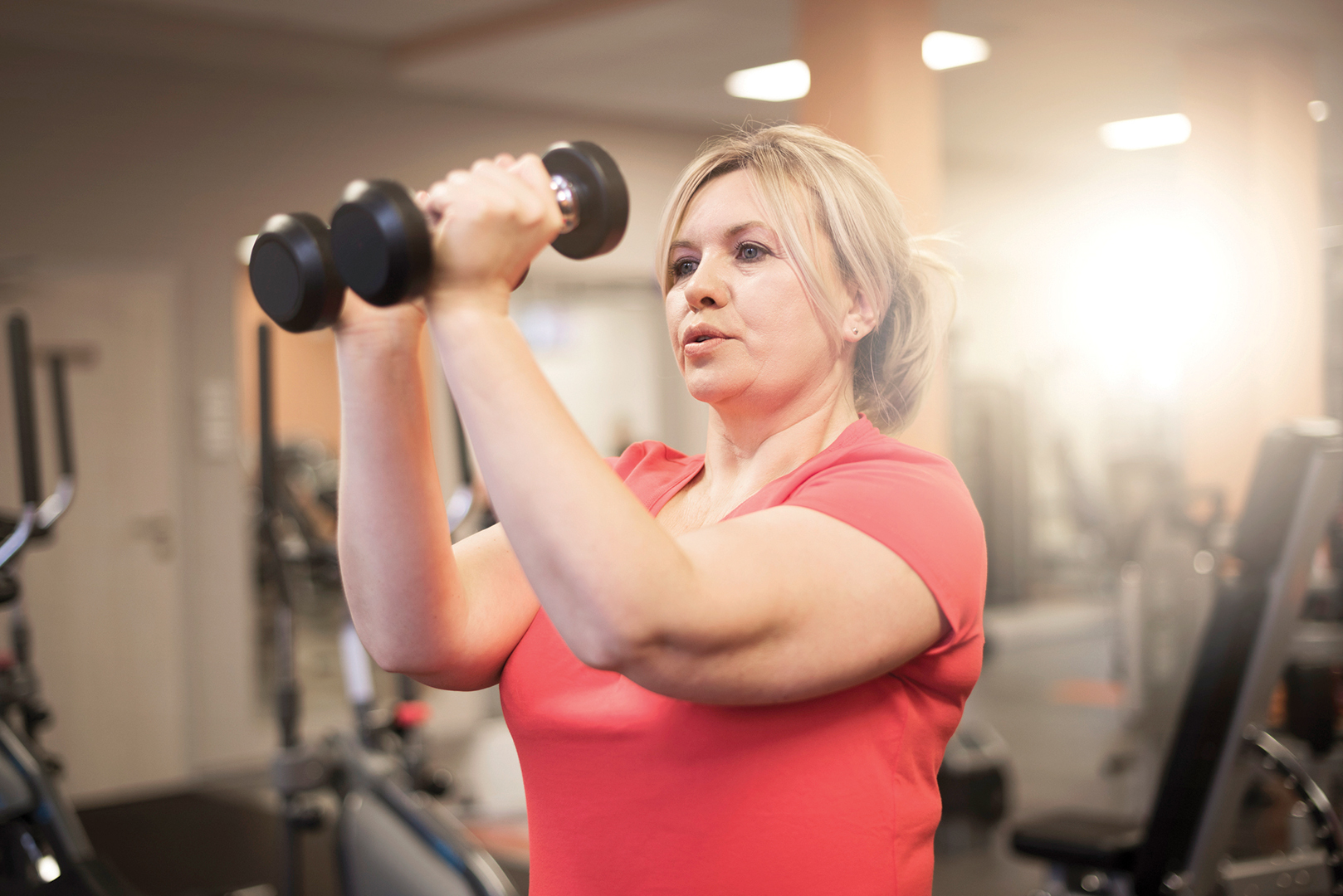
For women over 40, strength training is no longer optional—it’s foundational to long-term health. As estrogen levels begin to fluctuate and gradually decline, the body undergoes significant changes. Muscle mass naturally decreases (a process known as sarcopenia), metabolism slows, and bone density begins to drop. Without intervention, this can lead to increased body fat, reduced strength, and a higher risk of osteoporosis.
Lifting weights directly counters these effects. Resistance training stimulates muscle protein synthesis, helping preserve and build lean muscle. More muscle supports a healthier metabolism, improves insulin sensitivity, and makes everyday activities—from carrying groceries to climbing stairs—easier and safer.
Bone health is another critical reason. After 40, women face a higher risk of osteoporosis due to declining estrogen, which plays a protective role in bone maintenance. Weight-bearing exercises and resistance training place healthy stress on bones, signaling them to become stronger and denser. This significantly reduces fracture risk later in life.
Strength training also supports hormonal balance and body composition. Many women notice that traditional cardio alone becomes less effective for maintaining weight. Lifting weights helps shift body composition by increasing lean mass and reducing fat mass, even if the scale doesn’t change dramatically. This can improve energy levels, joint stability, and overall mobility.
Beyond the physical, the mental health benefits are powerful. Resistance training has been shown to reduce symptoms of anxiety and depression while improving cognitive function. Feeling physically strong often translates into greater confidence and resilience during a life stage that can feel hormonally and emotionally turbulent.
Importantly, lifting weights does not mean bulking up. Women typically do not produce enough testosterone to develop large muscle mass without specialized training and nutrition. Instead, they gain tone, strength, and metabolic support.
In short, after 40, strength training shifts from aesthetic choice to essential self-care—protecting bones, preserving muscle, supporting metabolism, and enhancing overall vitality for decades to come.