


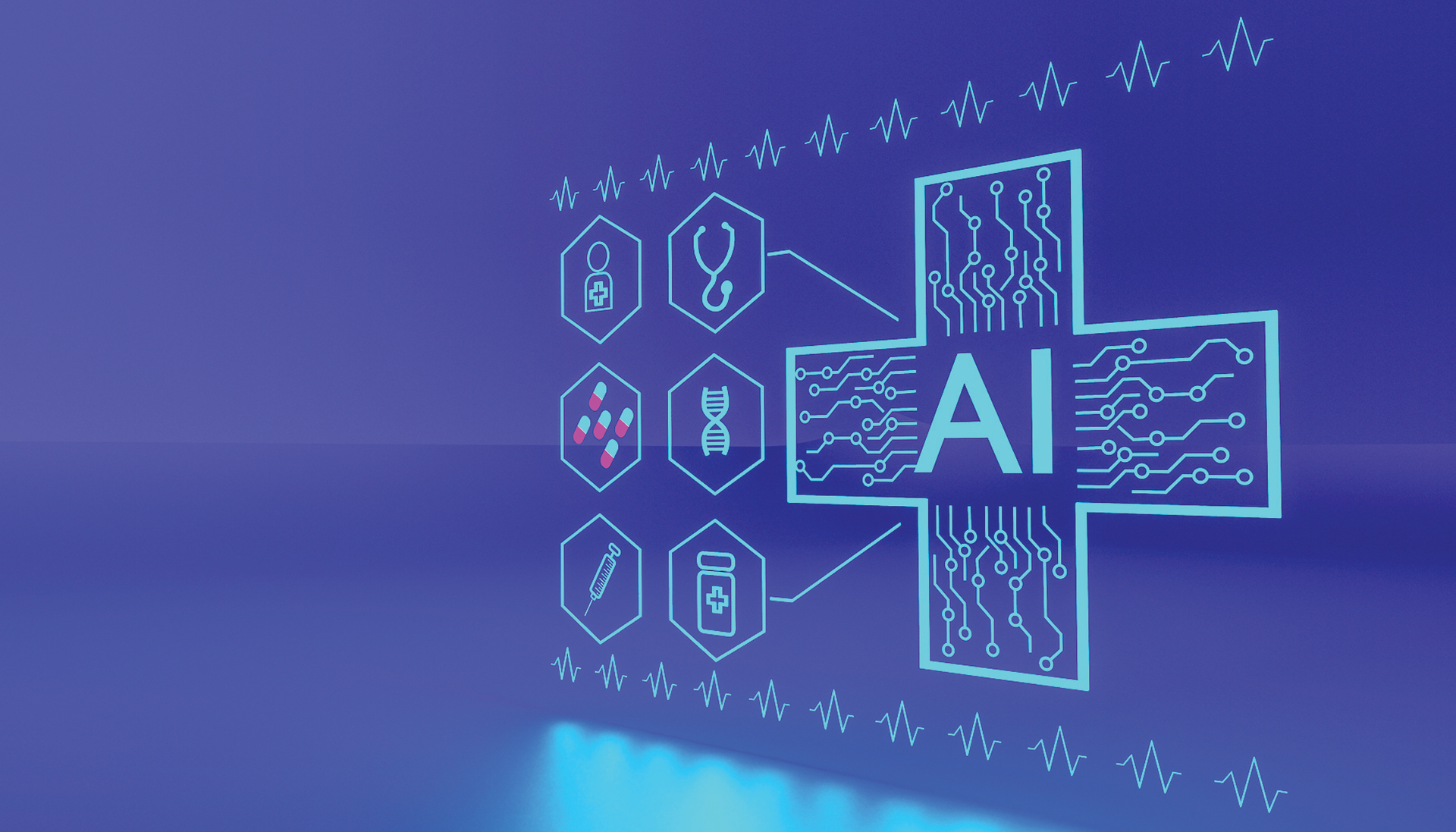
The promise of Artificial Intelligence in healthcare is no longer a futuristic concept. It is the current “operating layer” of modern medicine. As we move through 2026, the integration of AI is fundamentally altering the patient experience and the clinician’s workflow. However, this digital evolution brings a complex set of trade-offs that demand careful navigation.
The Benefits Include Efficiency, Precision, and Personalization
The most immediate benefit of AI is the eradication of administrative burnout. Historically, doctors have spent nearly two hours on electronic health record (EHR) documentation for every one hour of patient care. Today, AI-powered scribes listen to consultations and generate accurate clinical notes in real-time, allowing physicians to look their patients in the eye rather than at a screen.
Beyond paperwork, AI is incredible at diagnostic precision. Machine learning algorithms can now scan thousands of radiological images or pathology slides in seconds, identifying microscopic anomalies, such as early-stage stage tumors or subtle cardiac irregularities, that the human eye might miss. This “second set of eyes” reduces human error and enables earlier intervention, which is often the difference between a routine procedure and a life-threatening crisis.
Furthermore, AI is ushering in the era of personalized medicine. By analyzing a patient’s unique genetic code alongside their lifestyle data from wearables, AI can predict how an individual will respond to specific medications. This moves us away from the “trial and error” approach to prescriptions, ensuring patients get the right treatment at the right dose from day one.
The Drawbacks Include Bias, Privacy, and the “Black Box” Problem
Despite these leaps forward, the “black box” nature of AI presents significant ethical challenges. One major concern is algorithmic bias. If the data used to train an AI is skewed—for instance, if it lacks diversity in ethnicity or gender—the AI’s recommendations may be inaccurate or even harmful for underrepresented populations. This risks exacerbating existing health disparities rather than closing them.
Then there is the issue of data privacy and security. Healthcare data is among the most sensitive information a person owns. As hospitals become increasingly reliant on cloud-based AI systems, the surface area for cyberattacks grows. A single breach could expose the intimate medical histories of millions, leading to identity theft or insurance discrimination.
Perhaps the most philosophical drawback is the erosion of the human touch. Medicine is as much an art as a science, built on empathy, intuition, and trust. There is a fear that over-reliance on algorithms could turn healthcare into a transactional, cold process. If a computer delivers a terminal diagnosis or suggests a high-stakes surgery without the nuanced oversight of a compassionate human provider, the “care” in healthcare may be lost.
The goal for 2026 and beyond is not to replace the doctor with an algorithm, but to use AI as an augmentation tool. By leveraging AI to handle the data-heavy “lifting,” we can actually free up human providers to focus on what they do best: connecting with patients. The future of healthcare depends on our ability to embrace the speed of the machine while fiercely protecting the soul of the practice.