

Greene County has more than its share of ATV, UTV, side-by-sides, and dirt bikes. Pennsylvania, including regions like Greene County, ranks among the top 10 states for ATV related fatalities. ATV accidents result in over 100,000 emergency room-treatment injuries and 600-800 deaths annually in the country. Nearly half of all injuries and over 35% of deaths occur in children under 16 years old.
All-terrain vehicles (ATVs) are powerful machines designed for off-road travel across dirt, mud, sand, and rough terrain. They are popular for recreation, farming, hunting, and trail riding. However, their power and mobility also make them potentially dangerous when used improperly. Practicing proper ATV safety is essential to prevent injuries and ensure that riders can enjoy these vehicles responsibly.
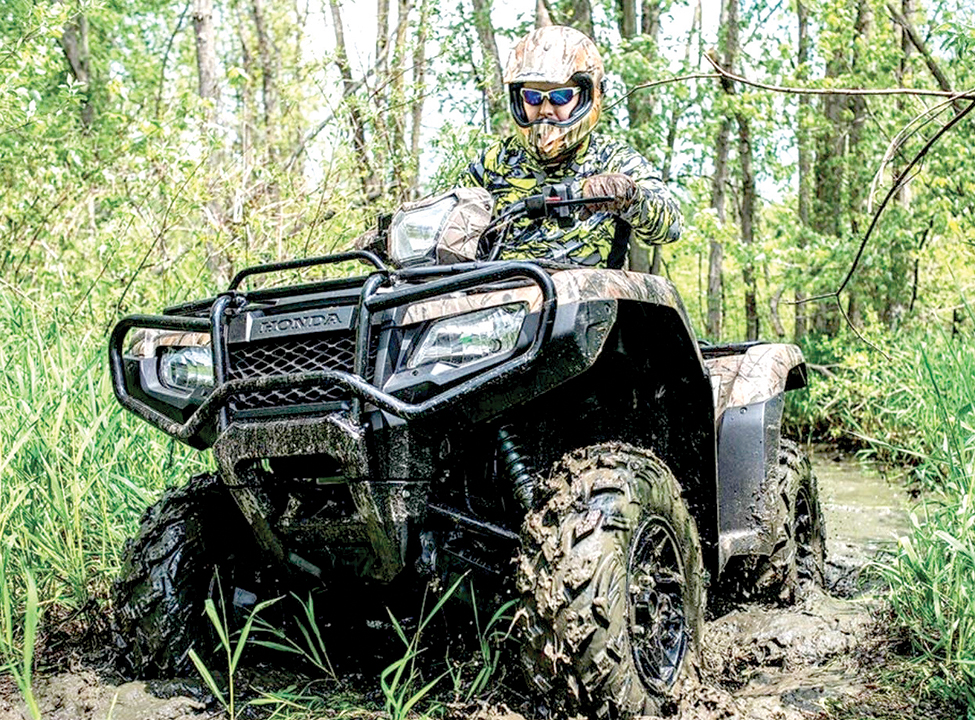
One of the most important safety measures when riding an ATV is wearing protective gear. A helmet is the single most critical piece of equipment because it protects the rider’s head in the event of a crash or rollover. Riders should also wear goggles or a face shield to protect their eyes from dust, rocks, and insects. Additional gear such as gloves, long sleeves, long pants, and over-the-ankle boots can help protect the body from cuts, scrapes, and burns from the engine or exhaust.
Another key rule is riding an ATV that is appropriate for the rider’s age and size. ATVs are manufactured in different engine sizes, and younger riders should use youth-sized models designed specifically for them. Operating an ATV that is too large or powerful can make it difficult to control, increasing the risk of accidents. Riders should also read the owner’s manual and understand the controls before operating the vehicle.
Training and education play a major role in ATV safety. Many organizations offer safety courses that teach riders how to handle an ATV correctly, including how to turn, brake, and navigate hills or uneven terrain. These courses also teach riders how to shift their body weight to maintain balance, which is essential for preventing rollovers. Taking a certified ATV safety course can greatly improve a rider’s confidence and ability to react in difficult situations.
Safe riding behavior is equally important. Riders should always operate ATVs at safe speeds and remain alert to obstacles such as rocks, tree roots, and sudden drops in terrain. Riding on paved roads should be avoided because ATVs are designed for off-road use and can be difficult to control on hard surfaces. In addition, riders should never carry passengers unless the ATV is specifically designed for more than one person. Carrying extra passengers can affect balance and make the vehicle unstable.
Alcohol and drugs should never be used before or during ATV riding. Impaired judgment, slower reaction times, and reduced coordination significantly increase the risk of crashes. Just like driving a car, operating an ATV requires full attention and quick decision-making.
Finally, regular maintenance is an important part of ATV safety. Riders should check tire pressure, brakes, lights, and fluid levels before each ride. A mechanical problem in remote or rough terrain can quickly become dangerous if the vehicle fails unexpectedly. Keeping the ATV in good condition ensures it will respond properly when the rider needs control.
In conclusion, ATV riding can be an exciting and useful activity, but it also comes with risks. Wearing protective gear, choosing the right ATV, receiving proper training, riding responsibly, and maintaining the vehicle are all critical steps in reducing accidents. By following these safety practices, riders can protect themselves and others while enjoying the benefits of ATV riding.