

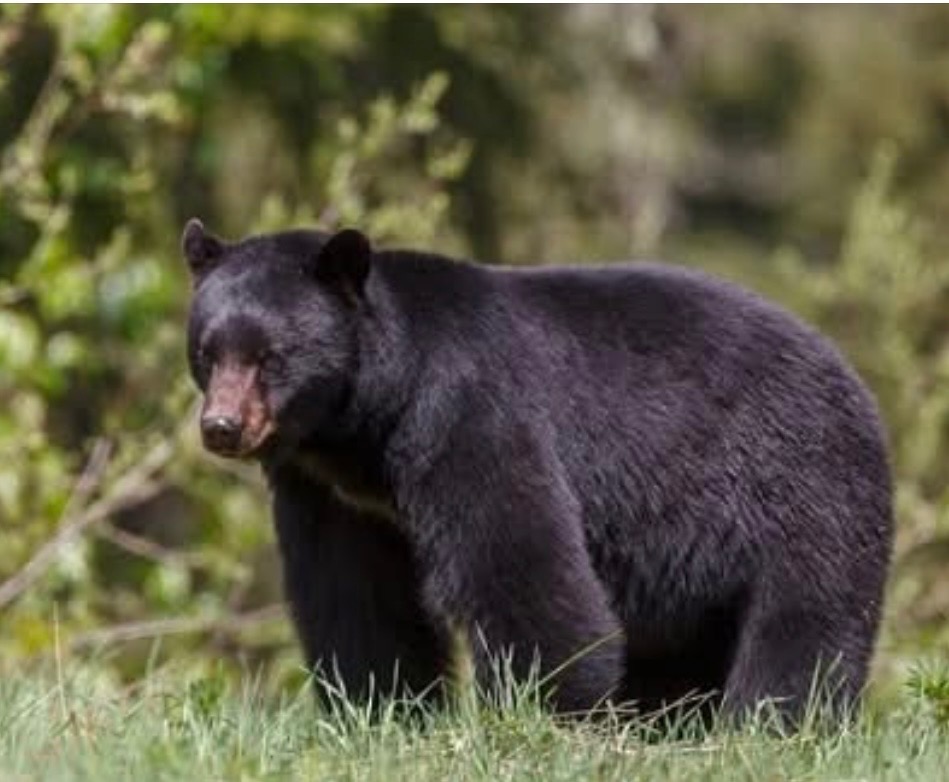
Black bears are becoming an increasingly familiar sight in southwestern Pennsylvania. Although bears have lived in the region for many years, their growing numbers and expanding range means that residents are more likely to encounter them. Pennsylvania’s black bear population has grown dramatically since the 1970s, when fewer than 5,000 bears lived in the state. Today, the Pennsylvania Game Commission estimates the statewide population at about 19,000 bears.
Our region contains extensive forests, hills, streams, and areas of natural cover. Bears are particularly attracted to forested habitats where they can find berries, nuts, insects, and other natural foods. They are also opportunistic feeders, meaning they may be attracted to human sources of food such as unsecured garbage, birdseed, pet food, and compost.
The Game Commission reports that bears now occupy more than three-quarters of Pennsylvania, although sightings have occurred in every county. Southwestern Pennsylvania already supports an established bear population, while some bears seen closer to heavily developed areas may simply be passing through.
Recent sightings demonstrate how noticeable this expansion has become. In 2026, there have been several reported bear sightings. However, wildlife officials emphasized that seeing bears in the area during this time of year is not unusual and does not necessarily mean that more bears are permanently moving into the county.
Black bears are an important part of Pennsylvania’s wildlife and forest ecosystems. At the same time, increased contact between bears and people can lead to problems. Bears that learn to associate neighborhoods with easy food can become nuisance animals, creating property damage and potentially dangerous encounters.
Garbage should be kept securely contained, bird feeders should be removed when bears are active, and pet food should not be left outside. Pennsylvania also prohibits intentionally feeding bears because doing so can cause them to congregate and become accustomed to people.
The growing presence of black bears is therefore best understood as part of a larger statewide recovery and expansion. With responsible management and cooperation from residents, communities can learn to live alongside these remarkable animals while reducing conflicts between people and wildlife.
In Pennsylvania, there is no limit on the number of bear hunting licenses available. Hunters can purchase a bear license in addition to a general hunting license. For the 2026–27 season, bear hunters may take one bear per license year.
One of Greene County’s new residents.
The 2026 bear seasons include archery beginning September 19, muzzleloader October 22–25, regular firearms November 21–24, and extended firearms seasons from November 28 into December, depending on the Wildlife Management Unit. The Pennsylvania Game Commission’s 2026–27 licenses are valid July 1, 2026, through June 30, 2027.
Recent harvest data show that from 2021-2024 seven bears have been harvested in Greene County. Numbers for 2025 have not been released. Based on the county’s habitat and regional population patterns, a reasonable estimate would be there are several dozen black bears living in the county.