

This month’s feature is another Kevin Holleran story courtesy of an interview with a local writer of that period. Ruth Schenley’s recollection of “The Hanna Hall Gang” at Waynesburg College captures the hard scrabble times of the depression era with humor and pathos.
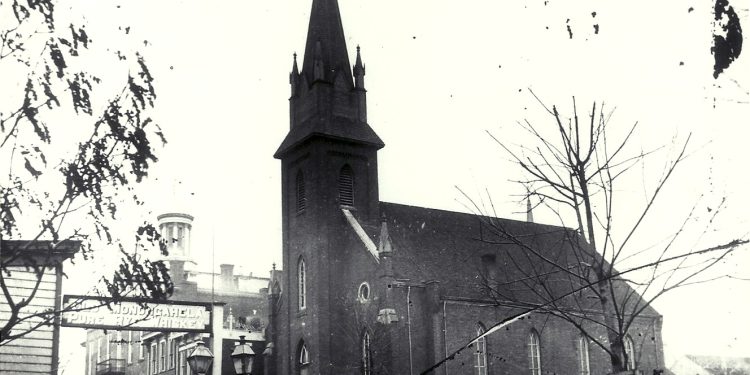
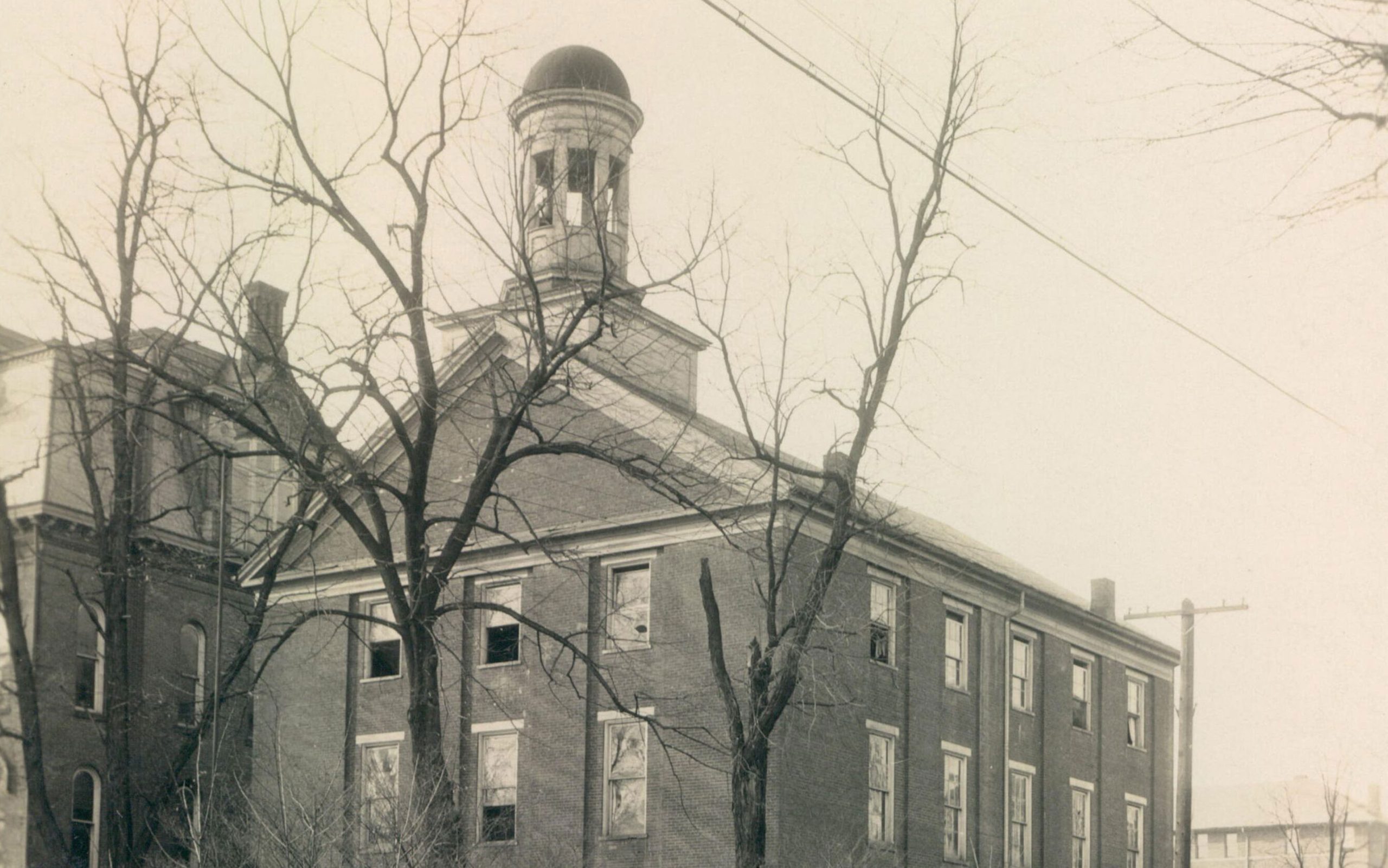
Prior to the 1960s, the college students rented rooms off local townspeople because there were no dormitories. The closest thing to a “dormitory” was Hanna Hall, which in addition to being the main academic building housed approximately 20 athletes (mostly football players) on the upper floor.
It was the 1930s and the group was known as “the Wolf Pack” because the legendary Frank Wolf was their coach. The moniker was fitting in more ways than one. Young men have always been young men, including those a century ago at a fine upstanding bastion of gentile education.
Ms. Schenley, a coed at the college from 1931-1935, called the group “high spirited.” As one would expect, they were a “rowdy bunch,” according to the article.
Given the economic circumstances of the day, food was sometimes scarce for everyone -including the boys on the hill. The first option for the boys was to “butter up” a local girl in the hopes of attracting a homecooked meal on Sundays.
Some of the other foraging methods were even shadier. Several of the boys were skilled hunters and harvested the rabbits and squirrels around campus to be cooked on gas burners in their rooms. According to Ms. Schenley, hunting seasons and limits were of no concern to the ravenous crew.
Then there were the times their food pursuits crossed over into “campus legendary status.”
An A&P grocery truck jackknifed at the corner of Richhill and Morris Streets after the driver came “barreling down the hill.” The truck ran into a giant oak tree at the Brubaker residence, but the driver jumped free before the crash. Thankfully, nobody was injured.
However, the driver left to get help. By the time he returned with the police, the Hanna Hall boys had recovered a substantial hall of oranges, bananas, potatoes, and canned goods. In the words of Ms. Schenley, the truck had been “picked clean.”
On another occasion, a truck carrying pigs overturned near campus and the group liberated a hog for a very satisfying roast. Finally, a stray calf also “wandered into Hanna Hall,” providing a feast of “the best baby beef the boys could remember.”
In the end, the Hanna Hill Gang were not delinquents, just young men caught between empty stomachs and youthful high spirits. Hunger has a way of making a fellow inventive, and their escapades were remembered more with laughter than condemnation. They were simply hungry boys, making the most of hard times with a little mischief, imagination and the camaraderie of college life.
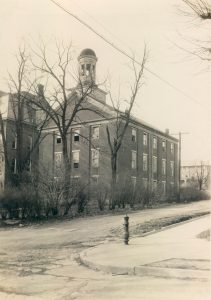
Hanna Hall, circa 1930. Photo by William Fletcher, Cornerstone Genealogical Society Collection; (Archives Project Greene Connections)
Published in 1977, Backroads is a collection of interviews conducted by students with their grandparents and older family friends.
Through these conversations, the students captured stories of everyday life in the county—memories of small-town traditions, hard times, simple joys, and the changing landscape across generations.
We continue our new feature Backroads Redux. The series is a retelling of stories published nearly half a century ago by a Waynesburg Central Publications class.
The stories include everything from farms, railroads, epidemics, old-time radio, hunting tales, bakeries, buildings, and even college dorm gangs.