

There was a time when a farmers market wasn’t something you “visited.” It was simply where you went because you needed tomatoes, potatoes, eggs or whatever else the garden had decided to produce that week. In rural America, buying food locally wasn’t a lifestyle choice. It was called Tuesday.
Farmers markets have changed considerably over the years, but the idea behind them remains remarkably familiar. Early markets were practical places where farmers brought what they had grown and shoppers bought what they needed. Farmers markets have a long history in America, dating to at least 1730, when Lancaster, PA, established its central public market.
Today, however, the farmers market has undergone something of a makeover.
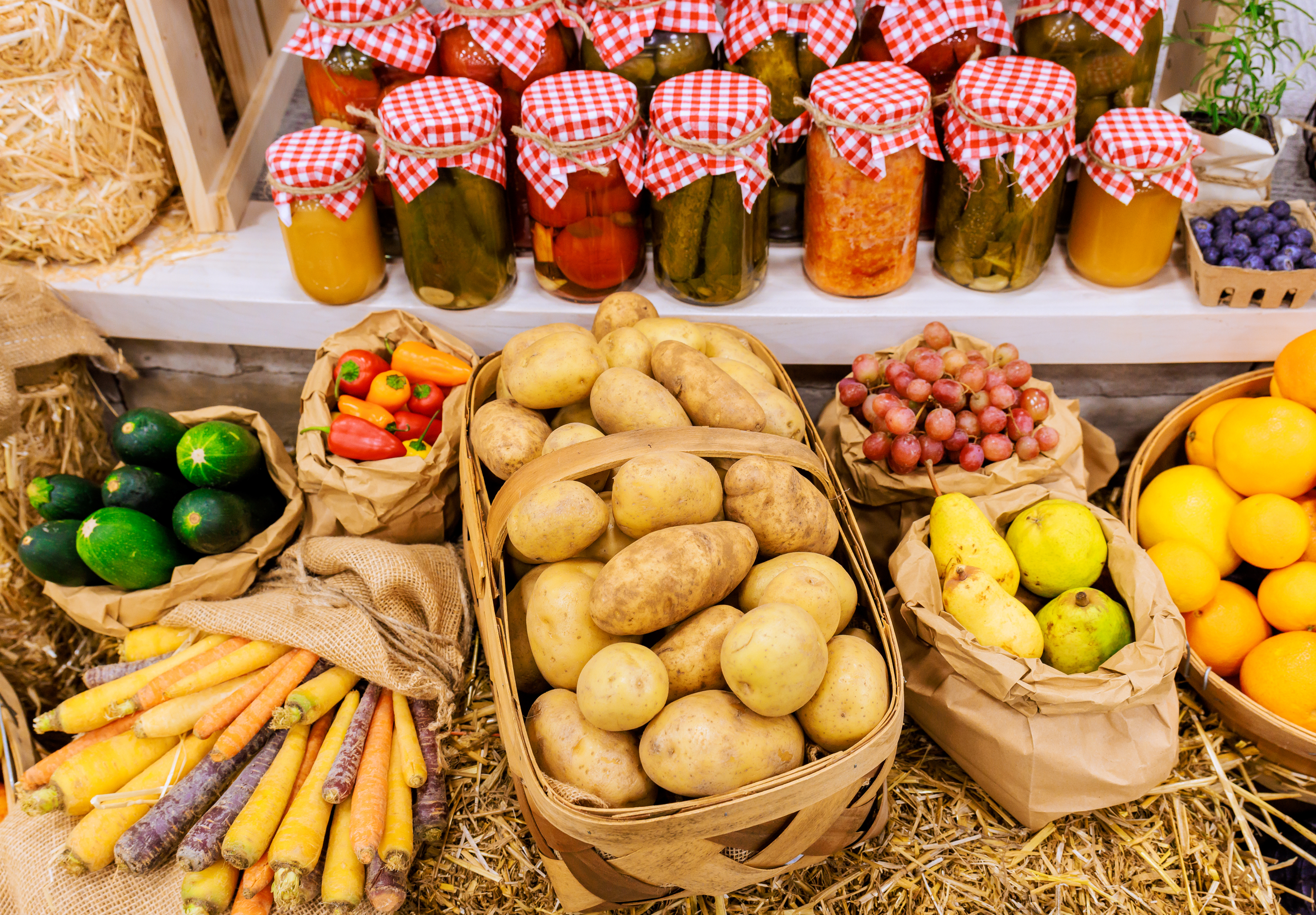
The old market might have featured a pickup truck and a farmer who had been awake since before sunrise. Today’s version may feature handmade soaps, sourdough bread, jams, candles, flowers, crafts, specialty foods and enough varieties of zucchini to make one wonder whether somebody has been operating a clandestine squash operation.
And that is part of the resurgence.
The modern farmers market has become more than a place to buy produce. In many rural communities, it has become a social gathering. People come for fresh food, but they also come to see neighbors, visit with vendors, or listen to music.
Given recent events in the news, there is also something appealing about knowing where your food came from. At a supermarket, a tomato may have traveled thousands of miles before reaching the produce aisle. At a farmers’ market, the person selling it may have dirt under his or her fingernails from the field where it grew.
The numbers tell part of the story. According to the USDA, the number of farmers markets in the United States increased from 1,755 in 1994 to 8,771 in 2019.
In rural communities, their importance may go beyond economics. Sure, they give small farmers another avenue to sell their products directly to customers, but underneath the craft booths, baked goods and social-media posts, the basic transaction hasn’t changed much. A farmer grows something. A neighbor buys it. Money stays closer to home.
And somewhere, an oversized zucchini is still waiting for somebody to take it home.