

Though most of us picture Christmas as a December 25 celebration filled with decorated trees, midnight services, and cheerful songs, the reality is far richer and more varied. The holiday that honors the birth of Jesus takes on distinct forms across continents and faith traditions, shaped by history, culture, and even the calendar. From candlelit Western services to the fasting and feasting of Orthodox traditions, Christmas is a season that reveals the diversity of global Christianity while uniting people in themes of hope.
In Western Christianity (Roman Catholic, Anglican and Protestant), Christmas is celebrated on December 25. This date, established by the Roman Church in the fourth century, likely aligned with existing winter festivals that celebrated light in the darkness. The symbolism fit perfectly: Christ as the Light of the World.
The four weeks before Christmas, known as Advent, are a time of anticipation. Each Sunday, candles are lit on Advent wreaths, and hymns echo with the promise of peace and salvation. The culmination comes on Christmas Eve and Christmas Day, when churches fill for midnight Masses or candlelight services and families gather for festive meals.
Over time, Western culture layered new traditions onto the sacred. The Christmas tree, first popularized in Germany, became a universal symbol of life and endurance. St. Nicholas, the generous bishop of Myra, evolved into Santa Claus, the embodiment of giving. In places like the United States and Britain, these customs blend with faith to create a celebration that is as cultural as it is spiritual.
Many Orthodox Christians (Russian, Greek, Serbian, and Ethiopian) observe Christmas on January 7. The date difference is due to separate calendars. The Western world adopted the Gregorian calendar in 1582, while most Orthodox churches continued following the older Julian calendar, which lags 13 days behind.
For Orthodox believers, Christmas is preceded by the Nativity Fast, a 40-day period of prayer, reflection, and abstention from meat and dairy. On Christmas Eve, families share a simple meal, often without animal products. In Ukraine, this includes kutia, a sweet grain pudding symbolizing unity and eternal life.
As midnight approaches, the faithful gather for the Divine Liturgy. The service is filled with incense, chanting, and candlelight. In Russia, worshippers brave the cold to attend all-night vigils, while in Ethiopia’s Tewahedo Church, congregations dressed in white celebrate the feast of Ganna at dawn. In every case, Orthodox Christmas is less about glitter and more about the religious elements.
The Armenian Apostolic Church, one of the oldest Christian communities, celebrates Christmas on January 6. Unlike other traditions that separate Christmas and Epiphany, Armenians observe both on the same day, honoring both Christ’s birth and baptism. Churches bless water with holy oil, symbolizing the River Jordan where Jesus was baptized, and families share meals featuring fish and rice. This ancient observance preserves what may be the earliest Christian tradition, predating the Western shift to December 25.
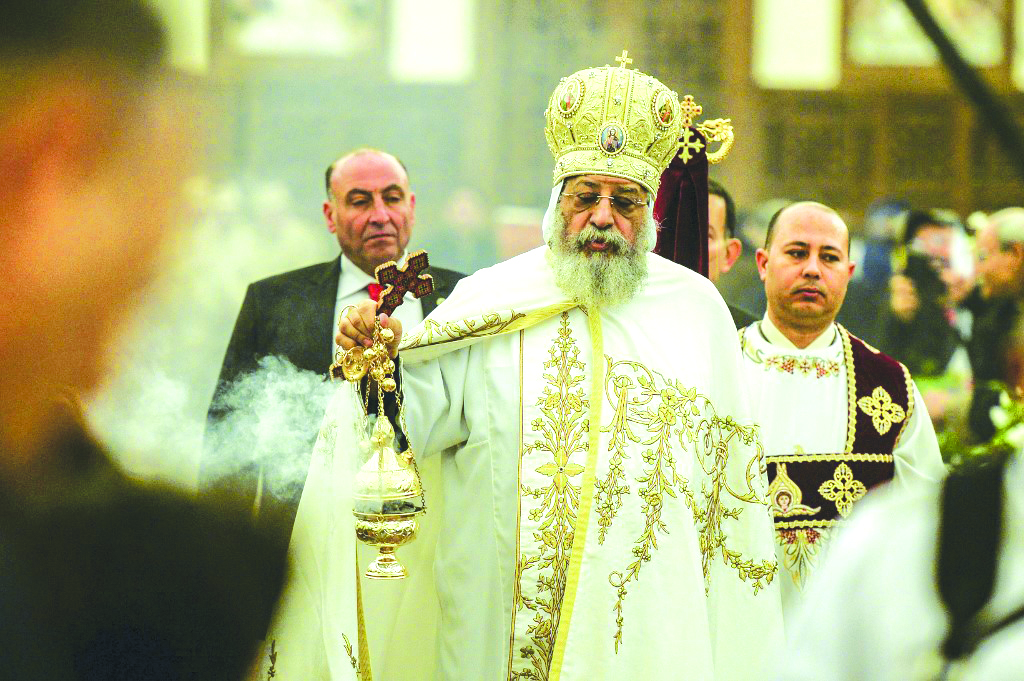
In Egypt, members of the Coptic Orthodox Church also celebrate Christmas on January 7. Their 43-day Advent fast ends with a joyful midnight Mass, followed by a feast. Coptic Christians have endured centuries of political and cultural pressures. However, across Cairo and Alexandria lanterns glow and prayers fill the air as believers celebrate their faith.
In the Philippines, where Catholicism is strong, Christmas is the longest season of the year, beginning in September. Lanterns called “parols” decorate homes and streets, symbolizing the star of Bethlehem, and families gather for nightly novena services leading up to Christmas Eve. In Mexico and much of Latin America, communities celebrate Las Posadas, a nine-day reenactment of Mary and Joseph’s search for shelter.
Despite different calendars, customs, and cuisines, the heart of Christmas remains the same. It is a celebration of love, hope, and renewal. Whether it’s a Western family gathering around a tree, an Orthodox congregation standing through a candlelit vigil, or Armenian worshippers blessing water, the many Christmases of the world remind us that the season speaks a universal language.