

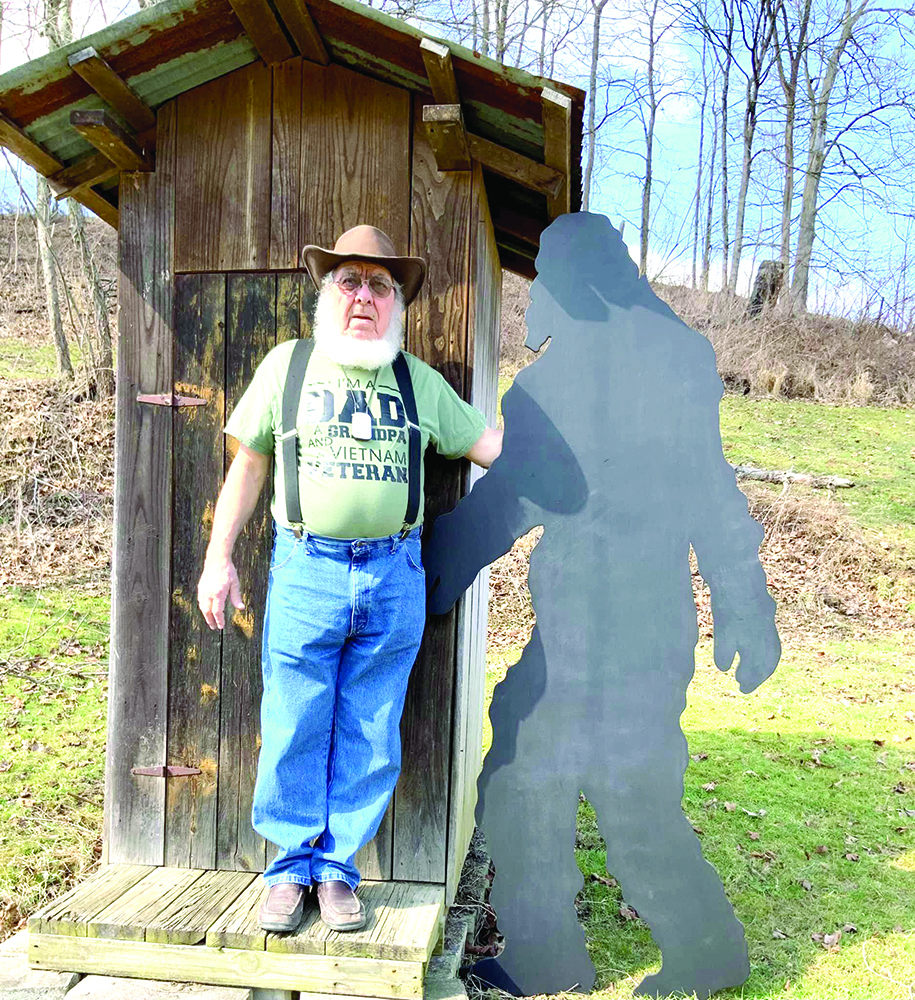
James Hughes, known to some as Jim Hughes, and known to me as Pappy, is my grandfather and a veteran who served in the Vietnam War. He was born on June 4, 1943, in Cameron, West Virginia. As the conflict in Vietnam escalated in the early 1960s, the US drafted more men as troop levels increased.
At this time, the way the draft worked was that all young men would register with their local selective service when they turned 18. Then, the local draft boards had a monthly quota set, and they would select until meeting their quota.
In 1964, Pappy was drafted and started his service on December 15. He went through training at Fort Jackson in South Carolina but did not stay there long. After only 10 to 15 days, his assignment took him to Fort Gordon, Georgia, to continue training.
After being in Georgia, he went to Fort Sill, Oklahoma, where he spent roughly two and a half months continuing his training. After training, he wanted to go to Germany, but would instead be sent to Hawaii, where he was a part of the 25th Division, which would be deployed to Vietnam.
He and the rest of the 25th would be stationed in Cu Chi, Vietnam during their time overseas. They set up base, to guard any approaches to Saigon, which was the capital of South Vietnam at the time. By April of 1966, all units of the 25th were in country.
The living conditions at the Cu Chi base were far from ideal. The troops mainly stayed in tents and dealt with extreme heat conditions. They had to be up and active, even during times of “relaxation.”
During Pappy’s time in Vietnam, his main responsibility was being a truck driver. He had experience driving big trucks before being drafted. He had driven a logging truck, transporting logs from New Freeport to Parkersburg, West Virginia. He also spent time training new recruits to drive trucks in a war zone.
One of the other stories that Pappy shared about his time in Vietnam was about a monkey that would hang around the base. The guys on base named the monkey “Charlie,” and he was known to get in some trouble at times. One time, to the delight of the enlisted men, Charlie got into the hut of the lieutenant and wreaked havoc, making the officer very upset with the primate.
As his time in Vietnam was ending, he spent some time working back near the base building a mess hall. After approximately six months in Vietnam, he was honorably discharged on December 6, 1966, after nearly two years of service.
It took some time after returning to the states to adjust to “normal life.” Eventually, Pappy married his wife, Linda, who I call Ma. They had two sons, my dad, John, and my uncle Ed. They were also blessed with two grandchildren, myself and my sister Emily.
My grandfather’s service in Vietnam was more than a chapter in history—it was a testament to his strength, courage, and unwavering sense of duty. Though the war left its marks, it also revealed the depth of his character and the resilience that would guide him through the rest of his life.
He has carried his experiences with quiet dignity, never seeking recognition, yet always deserving it. As a veteran, a grandfather, and a man of principle, he continues to inspire those of us who know him. We should acknowledge not only his service, but the love, wisdom, and honor for which he stands.