


There was a time when sports journalism was less about volume and more about voice. Not loudness, not outrage, but voice—measured, informed, and rooted in a genuine love of the games and the people who played them. Sportswriters once served as translators between the action on the field and the fan at home, explaining not just what happened, but why it mattered. Today, that concept feels as outdated as a typewriter. True reporting and analysis has been drowned out by a chorus of shouting heads and manufactured conflict.
The classic sports journalist was a reporter first. They traveled with teams, hung out in the locker rooms, and learned the rhythms of a season one bus ride at a time. Their columns were built on access, trust, and context. They understood that sports were not isolated events but ongoing stories, shaped by personalities, histories, and communities.
When I was young, sports personalities became a new thing. Broadcasters such as Howard Cossell and Myron Cope added a bit of dramatic flair to the traditional voices of the time. As a young man, I appreciated the humor they brought to the table. My father, an old school journalist, did not share my enthusiasm in the least.
In hindsight, he may have been right. The unique novelty of a bombastic character in the field has morphed into a sea of carnival barkers who think they are the story instead of the reporter.
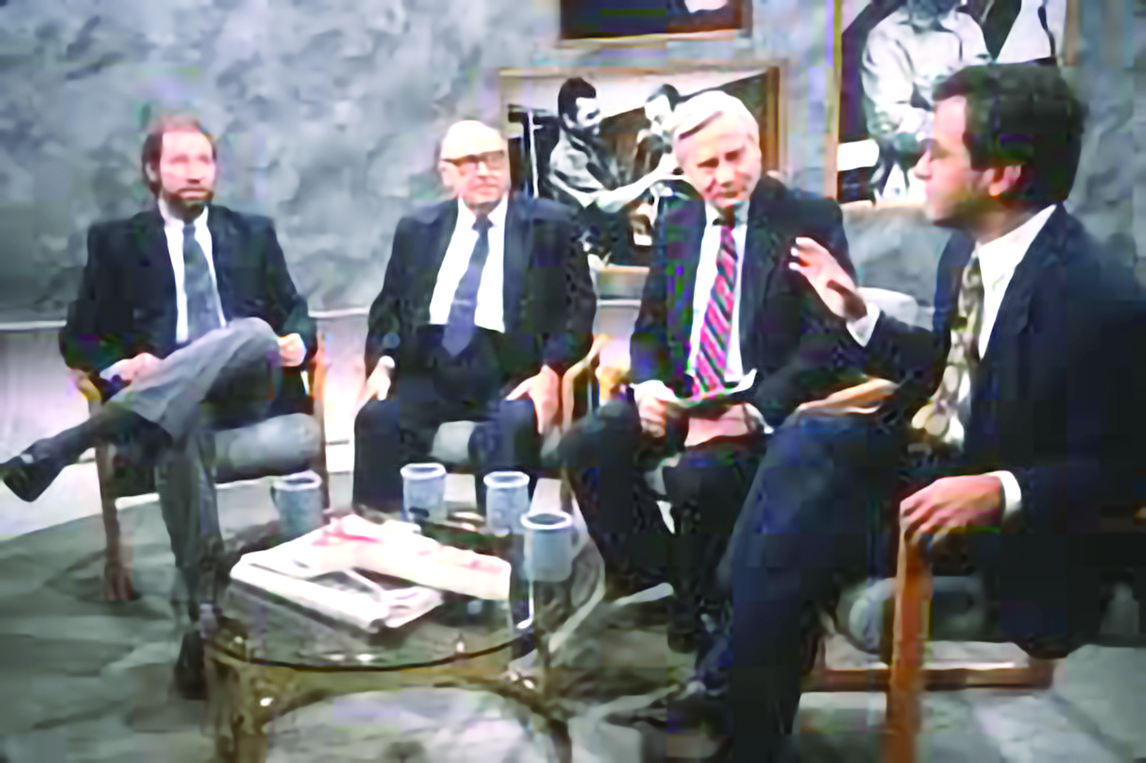
Today’s most visible sports talk shows resemble competitive yelling contests. Panels are crowded with personalities who talk over one another, racing to deliver the “hottest take” before the commercial break. Nuance is treated like a weakness. Thoughtfulness is a liability. If an opinion can’t be compressed into a confrontational soundbite, it doesn’t make it to air.
This isn’t accidental. The modern sports show is engineered for attention in an era where attention is scarce. Outrage travels faster than insight. A calm, reasoned breakdown of a game doesn’t trend the way a shouted declaration does. Algorithms reward extremes, and networks follow suit. The result is a media ecosystem where being correct matters far less than being memorable.
Lost in all this noise is reporting. Many shows now revolve around speculation rather than information, opinion untethered from fact. Stories are debated before they’re verified. Anonymous rumors are elevated to the same level as confirmed reporting, as long as they provoke reaction.
The journalist as a watchdog who holds leagues, owners, and institutions accountable has been pushed to the margins. They have been replaced by performers whose primary loyalty is to the spotlight.
Every player’s daily performance is framed as a referendum on their legacy. Every loss is a crisis. Every disagreement is a feud. The season becomes a series of artificial emergencies designed to keep viewers emotionally hooked. It’s exhausting, and it leaves little room for the quieter truths that sports often reveal: perseverance and growth.
What’s especially ironic is many fans haven’t lost their appetite for real sports journalism. Thoughtful columns still get shared. Podcasts hosted by reporters who know their beats routinely outperform louder studio shows. When given the choice, many fans gravitate toward substance. The problem isn’t demand; it’s corporate emphasis.
The loss of true sports journalism isn’t just a nostalgia problem. It matters because sports are a reflection of culture. They intersect with politics, economics, race, and identity. When coverage is reduced to yelling and provocation, those intersections are either ignored or overly exacerbated depending on that particular network’s point of view.
There are still excellent sports journalists working today. Writers such as Jeff Pearlman still work quietly outside the brightest lights. But until the industry rediscovers the value of listening over shouting, of reporting over reacting, their voices will continue to struggle for oxygen.
Sports deserve storytellers, not screamers. Writers like Grantland Rice and Red Smith are legends who produced sports literature. They didn’t need to shout to be heard. Their words carried weight because they were earned through experience and respect for the reader.
Others such as Dick Schaap, Bob Costas, Mike Lupica, Mitch Albom and Frank Deford brought elegance and curiosity to every subject they touched, reminding readers that sports stories were ultimately human stories. Their columns didn’t just recap events; they explained meaning.
Unfortunately, chronicling sports with patience, wit, and perspective feels incompatible with modern television pacing. The legends of the past trusted readers to think. Today’s format often assumes they can’t or won’t.