

Before Jack Daniel’s, Jack Frost and Jack-o’-lanterns, there was Applejack — a distinctly American way of turning an apple harvest into something with a little more kick than cider. Think of it as autumn’s answer to a stiff upper lip.
Applejack is an apple brandy traditionally made by fermenting apple cider and concentrating its alcohol. Historically, one method was freeze distillation, also called “jacking.” Since alcohol freezes at a lower temperature than water, cider left outdoors in winter could partially freeze. The ice was removed, leaving a stronger, more potent liquid behind. Repeat the process, and you could produce a drink with considerable punch. It was essentially chemistry performed by people who didn’t own laboratory coats but did own a lot of apples.
The practice dates back centuries, with roots in Europe, but it became particularly associated with colonial America. Apples grew readily in the Northeast, and early settlers discovered that a bumper crop could become more than pies, sauce and something to keep the doctor away. Applejack became a popular frontier spirit, especially in these parts.
Modern applejack is generally made through distillation rather than the old freeze-concentrating method, which can also concentrate undesirable compounds. Today, it may be enjoyed neat or mixed into cocktails.
So, the next time someone says an apple a day keeps the doctor away, remember that our ancestors had another idea: ferment it, concentrate it and invite the neighbors over.

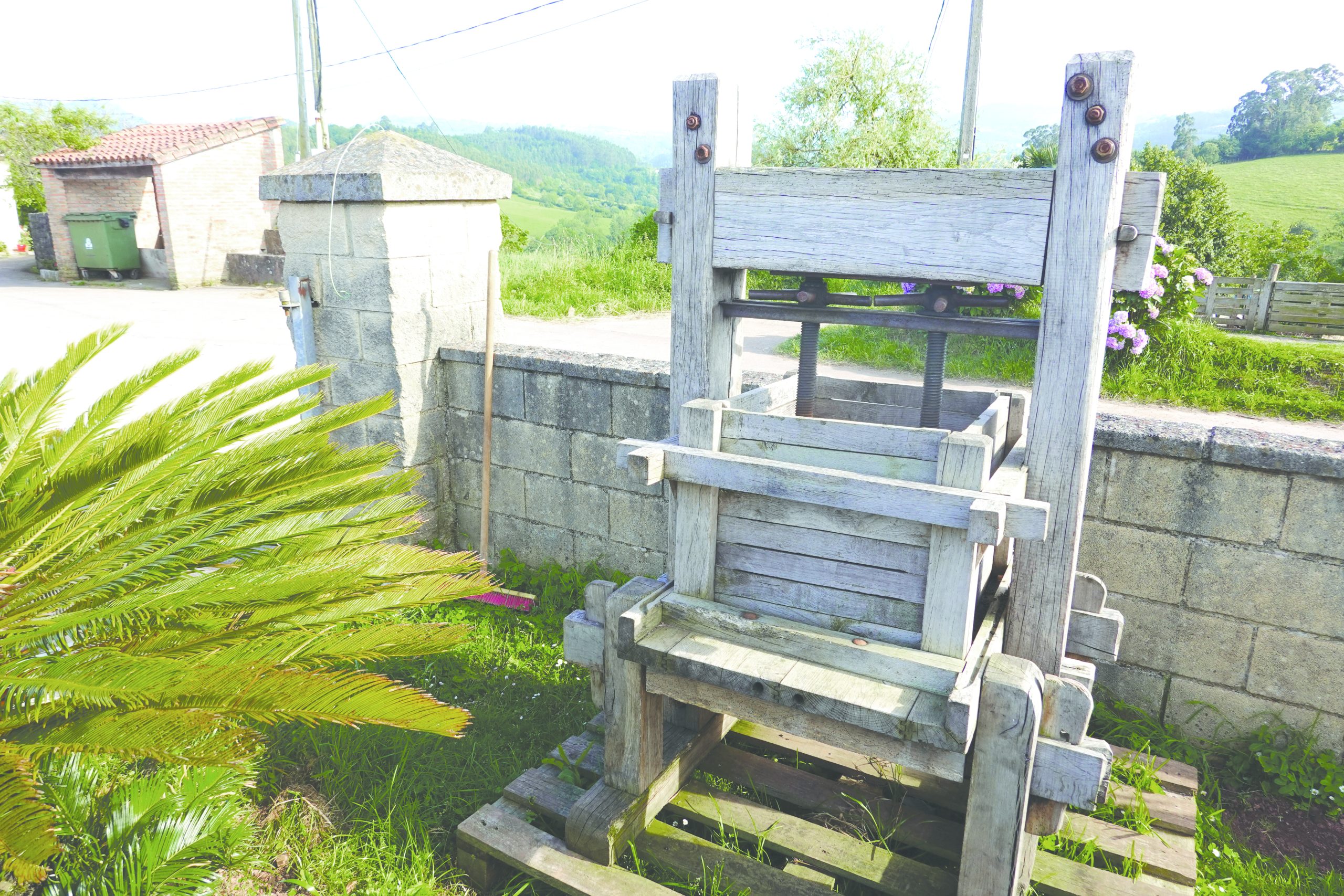
An Antique Apple Press