

I hate that time of year when football is over, and baseball has yet to start. One day, a few months ago I was so desperate for sports to watch I turned on an NBA game. It was the Los Angeles Lakers and the Utah Jazz. Although they weren’t playing real basketball that one could enjoy, they did provide an amusing example of silly nicknames.
Professional sports franchises bring their names, histories, and sometimes a fair bit of geographic confusion when they relocate. Few quirks in sports are as oddly charming as team nicknames that no longer make sense once the moving trucks have rolled in. These linguistic leftovers offer a glimpse into the past, even as teams try to root themselves in new cities.
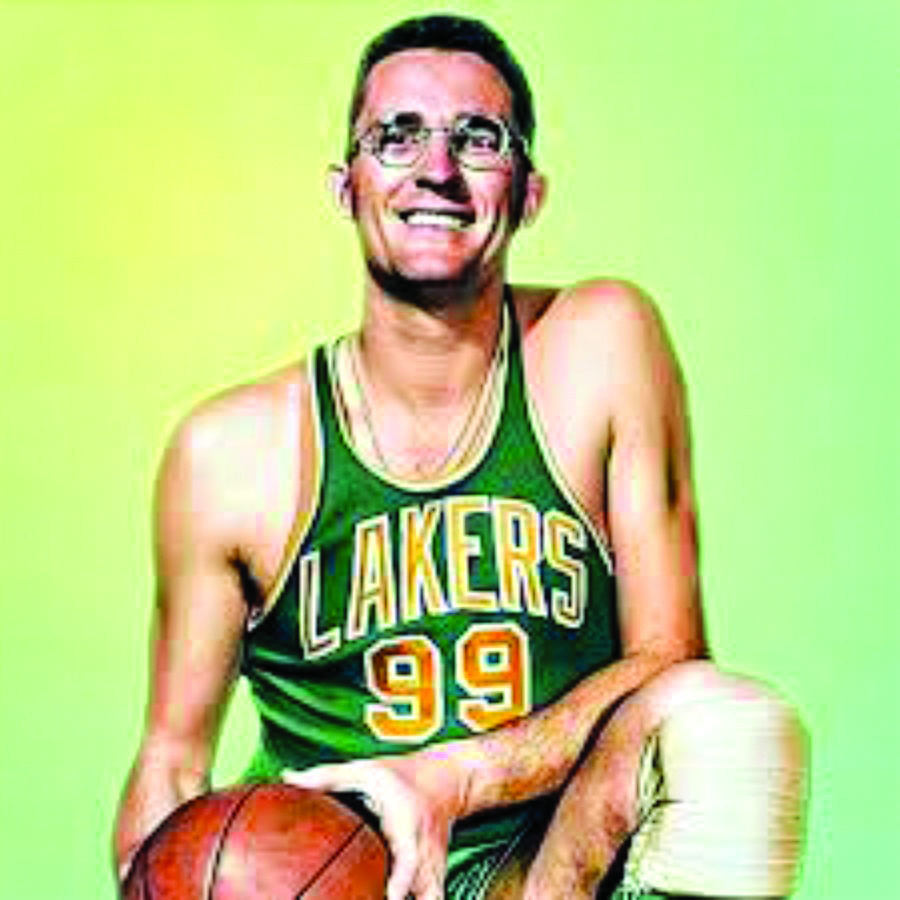
The most famous example is the Los Angeles Lakers. The name “Lakers” originated in Minneapolis, a city in Minnesota known as the “Land of 10,000 Lakes.” When the franchise moved to Los Angeles in 1960, it kept the name, despite Southern California being far better known for beaches than lakes. The nickname has long since detached from its geographic roots and is now associated more with Hollywood glitz than freshwater bodies.
A similarly discordant note can be heard with the Utah Jazz. The team began as the New Orleans Jazz, a name that perfectly captured the musical heritage of New Orleans. But when the franchise relocated to Salt Lake City in 1979, the name came along for the ride. Utah’s is quite literally the whitest state in the country (98.9 %) and has absolutely no connection to jazz music. The thought of Mitt Romney grooving to Miles Davis is the stuff of psychedelic incongruity.
Another ironic example is the Memphis Grizzlies. The franchise began as the Vancouver Grizzlies in Canada, where the name made perfect sense given the region’s population of grizzly bears. After moving to Memphis in 2001, the team retained the nickname, despite the fact the nearest grizzly is over 1,000 miles away. However, the name can be used as an adjective to describe the team’s play this year.
Baseball offers its own examples. The Los Angeles Dodgers trace their name back to Brooklyn, where residents were once known as “trolley dodgers” for navigating busy streetcar lines. When the team moved west in 1958, the nickname remained, even though trolley-dodging was hardly a defining activity in Los Angeles. Yet, I feel the name has taken on new meaning recently as the team finds more and more ways to dodge the salary cap.
Another baseball oddity occurred several years ago when the California Angels became the Los Angeles Angels. I only took two years of high school Spanish, but I know that means they are “The Angels Angels.”
Hockey provides a subtler case with the Calgary Flames. The team originated in Atlanta as the Atlanta Flames, a name referencing the burning of the city during the American Civil War. (Talk about a passive aggressive slap at all those NHL Yankees) When the franchise moved to Calgary, the name was kept, though its historical significance became less direct. In Calgary, “Flames” has been reinterpreted more abstractly, often tied to the region’s oil industry (quite a stretch).
One such move was an easy fix. When the Minnesota North Stars moved to Dallas, they simply removed the word North and became the Dallas Stars.
The NFL and old AFL also saw their share of interesting nickname drama.
The Baltimore Colts took their name because of the area’s association with horse breeding and racing traditions. Indianapolis is better known for racing cars than horses; however, I’m sure there are at least farms in the area.
Tennessee was almost the site of another silly nickname. The Houston Oilers obviously made sense. But the only “crude” coming out of Nashville is “Bro” country music. People forget the team kept the Oiler nickname for its first two years in the Volunteer State before they became the Titans.
Football also gave us interesting stories of near, silly nicknames. The Cowboys were originally to be called the Steers until someone from Texas realized a castrated mascot might not have been the best idea. The Raiders were originally the Senors until sportswriters started complaining they didn’t have the Spanish tilde on their keyboards to spell the team correctly (obviously, neither did I).
There were some nickname moves that were too specific or problematic to overcome. Examples include: The Dallas Texans to the Kansas City Chiefs, the Montreal Expos to the Washington Nationals, the Washington Senators to the Texas Rangers. These teams were forced to create new identities for the same franchise.
However, the occasional mismatched name persists for a mix of practical and sentimental reasons. Branding is a major factor. Merchandise, logos, and history all carry value, and owners are often reluctant to discard them. Keeping the name helps maintain a sense of continuity between a franchise’s past and present, even if the geography no longer aligns.
In some cases, the disconnect becomes part of the charm. Fans and commentators enjoy the oddity, and the name’s original meaning fades into a trivia question.
Still, these names serve as reminders that professional sports are as much business as they are civic institutions. Teams sometimes move for better financial opportunities. The result is a landscape dotted with linguistic relics. I guess those names tell stories of where they’ve been, not just where they are.