


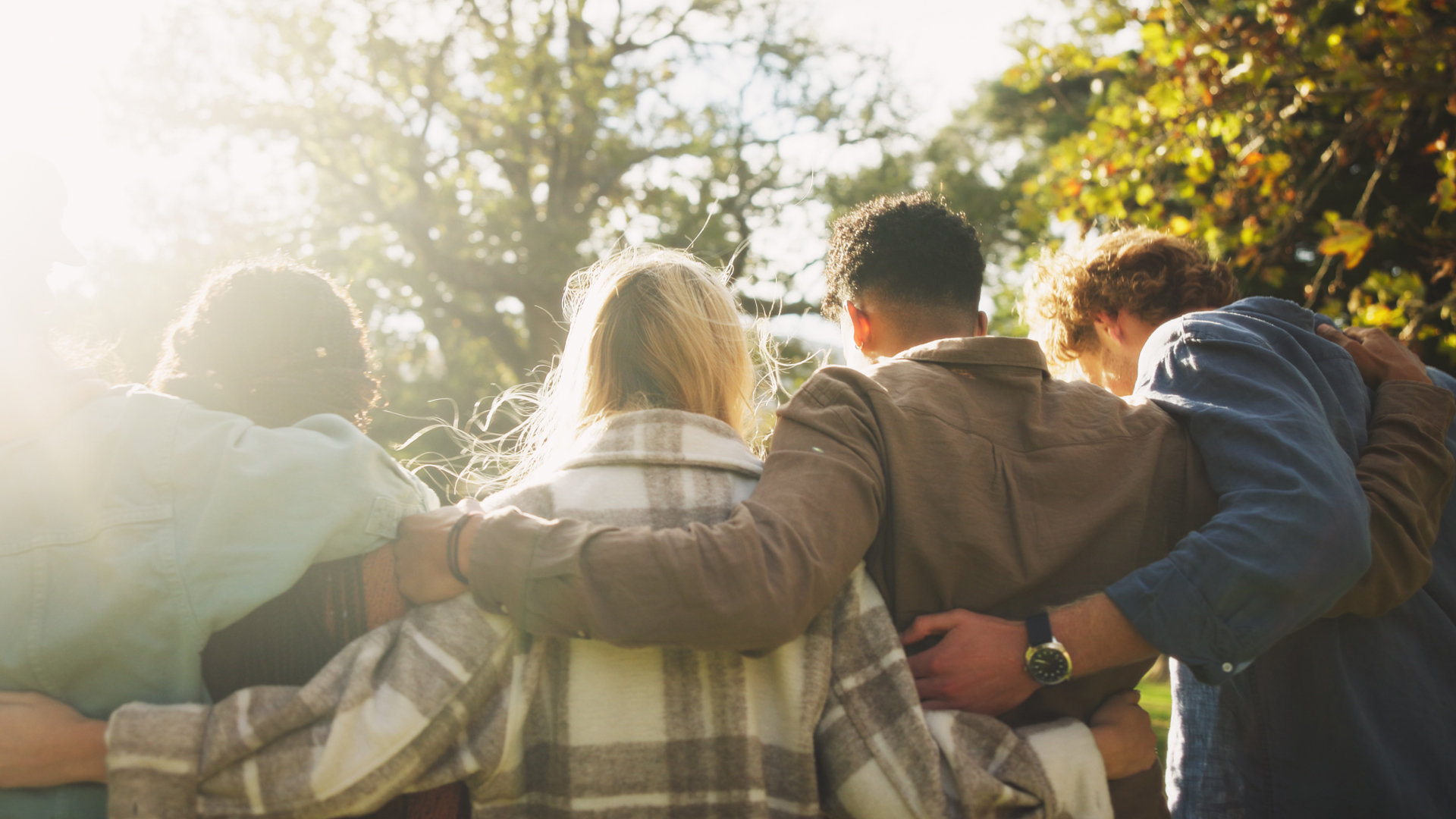
In a culture obsessed with supplements, superfoods, and wearable trackers, one of the most powerful health interventions is surprisingly simple: community. Human beings are biologically wired for connection, and mounting scientific evidence suggests that strong social ties may influence longevity and well-being as profoundly as diet and exercise.
At the physiological level, social connection regulates the nervous system. Positive interactions—shared laughter, supportive conversations, physical touch—stimulate the release of oxytocin, sometimes called the “bonding hormone.” Oxytocin reduces stress reactivity, lowers blood pressure, and promotes feelings of safety. When we feel connected, the body shifts out of chronic fight-or-flight mode and into a parasympathetic state associated with repair and recovery.
Conversely, social isolation activates stress pathways. Loneliness has been linked to elevated cortisol, systemic inflammation, and impaired immune function. Researchers increasingly view chronic loneliness as a public health risk factor comparable to smoking or physical inactivity. The body interprets prolonged isolation as a threat, keeping stress systems activated in ways that can, over time, contribute to cardiovascular disease, depression, and cognitive decline.
Community also shapes behavior. Health habits are contagious. Studies show that individuals are more likely to exercise, eat nutritiously, and quit smoking when surrounded by others who model those behaviors. Group fitness classes, walking clubs, and recreational sports leagues succeed not only because of the activity itself but because of shared accountability and encouragement. When health becomes a collective experience rather than a solitary obligation, adherence improves dramatically.
Mental health may benefit even more profoundly. Regular social interaction buffers against anxiety and depression by providing emotional validation and perspective. Simply sharing struggles reduces their psychological weight. Community creates a sense of belonging, which is a fundamental human need. Feeling seen and supported enhances resilience during life transitions, illness, or stress.
For older adults, community plays an additional protective role. Social engagement has been associated with slower cognitive decline and reduced dementia risk. Conversations, shared problem-solving, and participation in group activities stimulate neural networks, reinforcing cognitive flexibility and memory. In this sense, community functions as brain exercise.
Importantly, quality matters more than quantity. A few meaningful relationships often provide greater health benefits than a large but superficial network. Digital connection, while valuable, does not always substitute for in-person interaction, which involves richer sensory and emotional cues.