

Part 1: Getting Flexible
I am spending the next few articles highlighting fitness trends, hacks, ideas, and information that has helped me. I will preface by saying I am not an expert in nutrition, nor do I have any medical training whatsoever. However, I do have about 55 years of experience dancing and being active.
I have acquired my RYT 200, Reiki Master, Personal Trainer Certification, many fitness certifications, Certified Stretch Coach, Sound Healing (currently studying), and other types of continuing education credits with dance and fitness over the last 40 years.
I have taught dance and fitness for just as long, and I’ve seen trends come and go. I’ve collaborated with many people along the way. They have come in all shapes and sizes with diverse techniques.
First, it is imperative you check with your physician before starting any kind of fitness program because they can give you the best path based on your specific goals, concerns, and restrictions. I am simply sharing what I have found to be good information from my own personal experience and continuing education. I hope you find something useful from this series to help you age well.
I could never have imagined when I stepped into my first dance class at the age of five that stretching and flexibility would become one of the most important parts of my life. I would never realize the true impact until decades later.
When I was young, flexibility was just part of dance. I was not naturally flexible by any means. Those splits and backbends came easy to some people, but not for me. It was constant work. So, what does it mean to be flexible from an adult’s standpoint, and how does it make our lives better?
Back in the day, we did a more ballistic form of stretching where we bounced in those splits or stretches. Sadly, instructors would sometimes place their bodyweight on students to “force” flexibility. (Can you imagine?)
The participant trying to become more flexible was relatively passive in the exercise. (In rare cases, this can be necessary but only if you are in a supervised PT session when you are rehabilitating from surgery or injury.)
As time went on, people came to their senses and realized that a more static-active form of stretching is safer. Think about holding a position and breathing intentionally, concentrating on your inhale/exhale, and holding that position for a longer time.
I have found that inflexible hamstrings prove to be a huge problem for absolutely everyone. When those muscles are short and tight, you start to see lower back pain, instability in the knee joint, reduced mobility with walking, sitting, or bending over, and even issues with spine alignment.
As a result, you open yourself up to injury, which no one wants or needs. If I talk to one more person who injured a hamstring from pickleball, I am going to scream. It does not have to be this way. If I were to choose one stretch to do for the rest of my life, it would be the hamstring stretch.
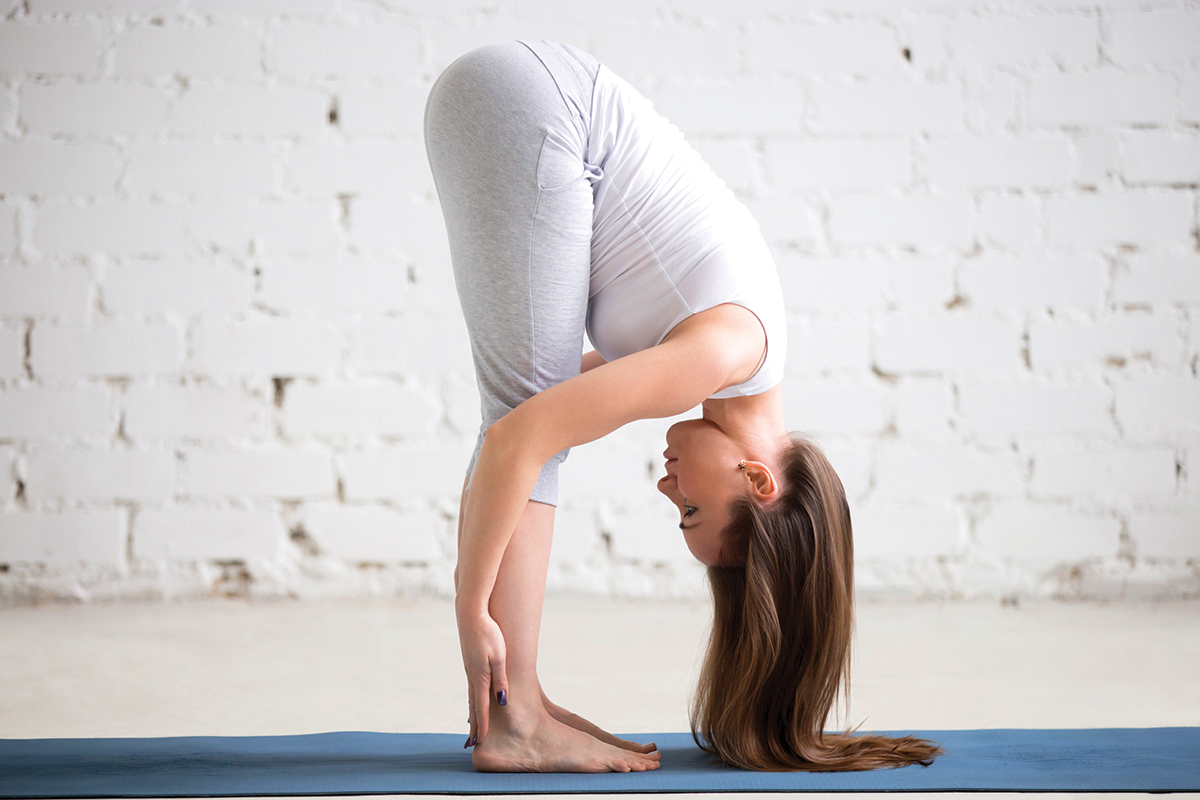
Standing, seated, assisted, or alternative stretches all can do the trick for the hamstring. For many, the hamstring stretch is downright painful, which is why so many of us avoid it. To get started, follow these tips:
1. See pictures below and see what works for you: try a standing forward fold, a seated forward fold, an assisted forward fold, and a half forward fold. You are going to know right away where your limit is: you will immediately feel that tension or tightness in the hamstrings.
2. However, first warm up for a few minutes. Maybe you take a short walk around your house or some other preferred warm-up. The goal is to get blood flowing and just do some light movement.
3. Now you can try the stretch. Think about tightening the quadricep muscle and relaxing the hamstring muscle. Find that point where you can feel the hamstring beginning to resist, but you are not in pain. Back off as you need to initially. Find that sweet spot where it is effective but not making you want to scream.
4. Time yourself by holding the stretch for 30 seconds. Breathe in for 4 and exhale for 4. Repeat 2 more times.
5. As time goes on you will start to see the difference in your ability to hold the stretch. You might eventually be able to inhale and exhale for 8 counts. You might be able to transition from an assisted forward fold to a standing forward fold. Once you can hold the stretch for a longer period, you may not need to repeat it. You can try this in the morning, before bed, or even both times. How many times you do this stretch per week is up to you based on your level of activity.
Happy Hamstrings! The wonderful thing about this stretch is you will see benefits in a noticeably brief time. And for all of you pickleballers out there, please stretch your hamstrings before AND after a session. Most of you are not twenty-five anymore!