


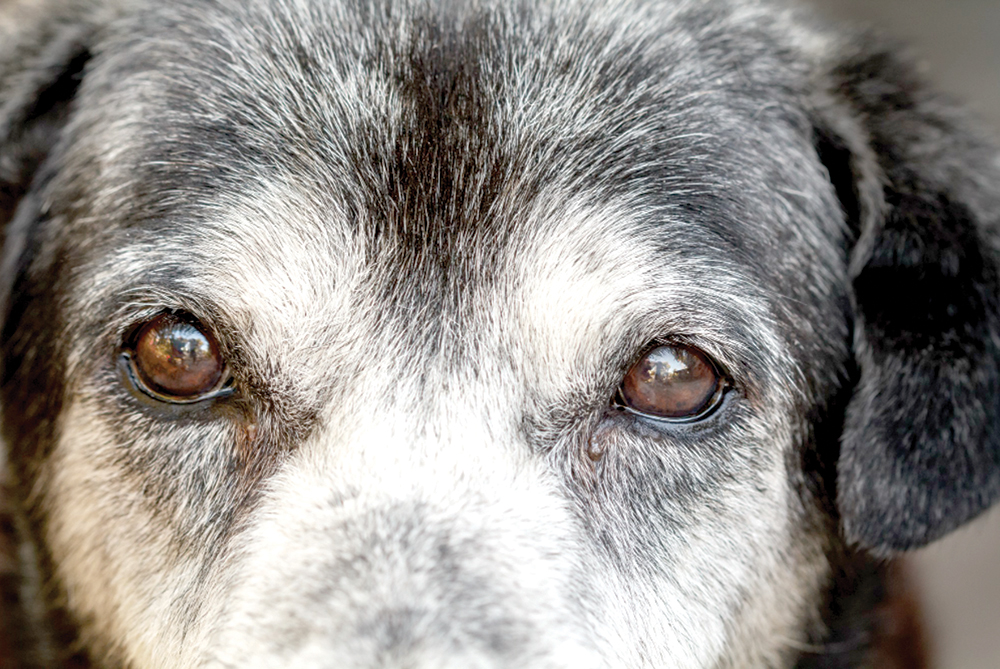
Lunch had just ended. I watched one of our friends gently wrap a piece of hamburger up in a napkin and place it in his coat pocket. An unusual occurrence, so we asked him what was up. He explained that it was a treat for his long-time friend…a friend he was going to put down later in the day. “This dog has been all over the country with me, he was a good friend” he explained. Very seldom is our lunch table at a loss for words, but this hit us hard.
Losing a pet, whether through illness, old age, or the painful decision to put them down, is one of the most heartbreaking experiences a person can face. For many of us, pets are not just animals, they are family members, daily companions and steady sources of comfort. Their very presence becomes a part of our daily existence. We grow accustomed to the sound of their paws on the floor, the excited greeting at the door, and their excitement at feeding time. When they are gone, the silence can feel overwhelming.
Putting down a pet carries a unique emotional weight. Unlike sudden loss, euthanasia often involves “making a decision”, even when it is clearly the most compassionate choice. When a beloved companion is suffering, in pain, or has no quality of life left, the responsibility can feel crushing. The decision to euthanize a pet is not about giving up. It’s about preventing suffering when comfort and joy are no longer possible in a meaningful way.
Having made the decision to euthanize pets myself, I struggled with second guessing, always wondering if I waited too long or acted too soon. Like others, I replayed the final days repeatedly in my mind, questioning every choice. But at its heart, choosing euthanasia is an act of love. It means placing your pet’s comfort above your desire to keep them longer. It means absorbing the pain, so they don’t have to.
Grief after losing a pet is real and valid. For some, it can mirror the grief felt after losing a human loved one. You are still in a routine mode…reaching for the leash or listening for their bark. There can be anger, sadness, even moments of unexpected calm. But the bond between a person and a pet is profound. Pets offer unconditional love. They don’t judge, hold grudges, or complicate affection. They are present in life’s quiet, ordinary moments, which makes their absence deeply felt.
Children often experience pet loss as their first encounter with death. This can be a tender opportunity to teach them about love, mortality, and empathy. Allowing them to grieve openly shows that sadness is not something to hide. Adults, too, need mourn. Holding a small memorial, creating a photo album, planting a tree, or keeping a collar or tag can provide comfort and a tangible way to honor the relationship.
Healing does not mean forgetting. Over time, the sharp pain softens into a quieter ache, and memories begin to bring more smiles than tears. You may remember the funny quirks, the way they tilted their head, or the comfort they gave during difficult times. Their life, though shorter than ours, leaves a lasting imprint.
Eventually, some people choose to welcome another pet into their lives. This is not a replacement but a continuation of the love they learned to give. Others decide not to, carrying their memories forward in different ways. There is no single “right” way to grieve.
What matters most is recognizing that loving deeply always carries risk. The pain of loss is the price of that love. And if given the choice, most of us would choose to do it all again, every time. You will never look back at your life and think “I spent too much time with my dog”.