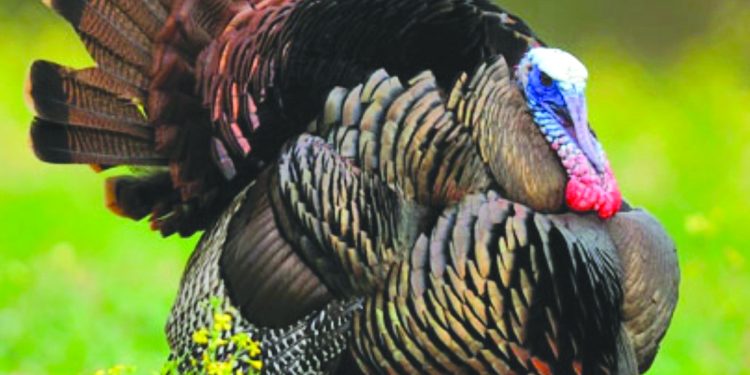



Why does a turkey’s head change colors? Reading a gobbler’s head can make you deadlier in the woods on opening day. The head of a turkey is known for its striking and ever-changing colors, which play an important role in communication and behavior. Unlike feathers, the skin on a turkey’s head can shift hues due to blood flow and emotional state, making it a vivid indicator of mood and health.
BLUE: Calm and relaxed, not alarmed
RED: Fired up and aggressive, ready to gobble
WHITE: Alert and nervous
One of the most recognizable colors is red, often seen on the wattle (the fleshy lobe under the chin) and the caruncles (the bumpy growth on the head and neck). A bright red color usually signals excitement, dominance, or aggression, especially in males during mating displays.
Blue is another prominent color, particularly on the crown and sides of the head. When a turkey is calm or relaxed, pale blue tones are more visible. This color can deepen or fade depending on the bird’s level of stress or alertness.
White can appear on the head as well, often blending with blue or red. In some cases, a turkey’s head may look almost completely white, which can indicate fear or extreme agitation. This sudden paling happens quickly and is part of the bird’s physiological response to stress.
In addition to red, blue, and white, subtle shades of pink and purple may also appear, creating a complex, shifting palette. These color changes are especially dramatic in male turkeys, or toms, during courtship, when they display to attract females.
Overall, the changing colors of a turkey’s head serve as a dynamic visual language, helping these birds communicate without sound.

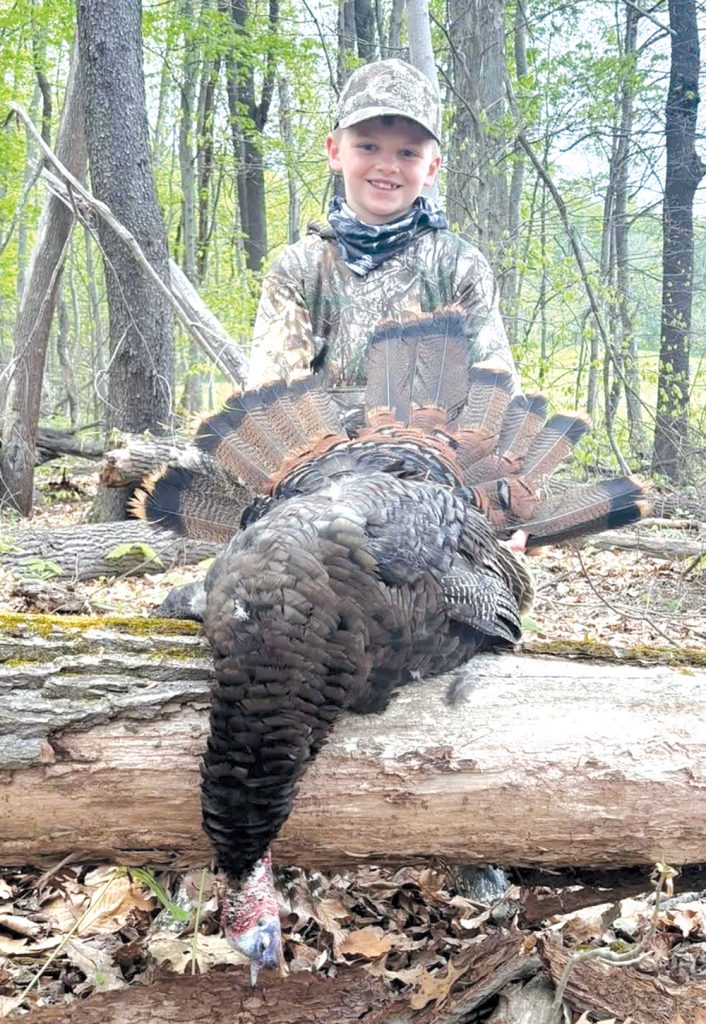


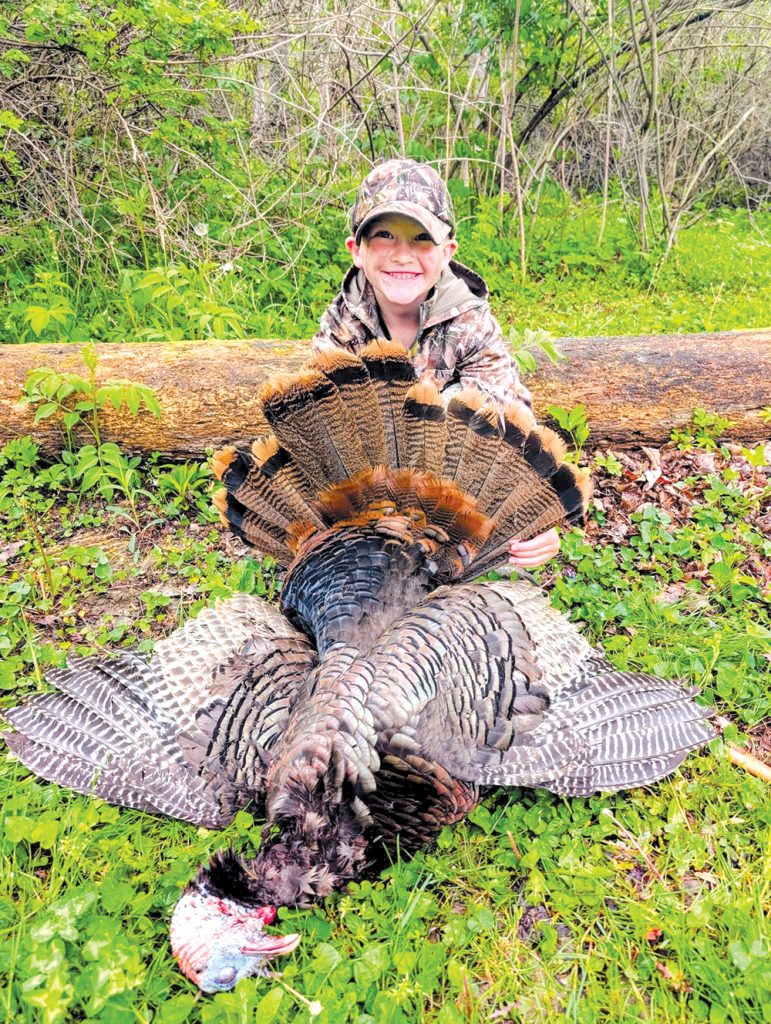
Jon of Rices Landing with his first Turkey.